Meet the Daffodil
Daffodil | Narcissus spp.
How do you know it’s me?:
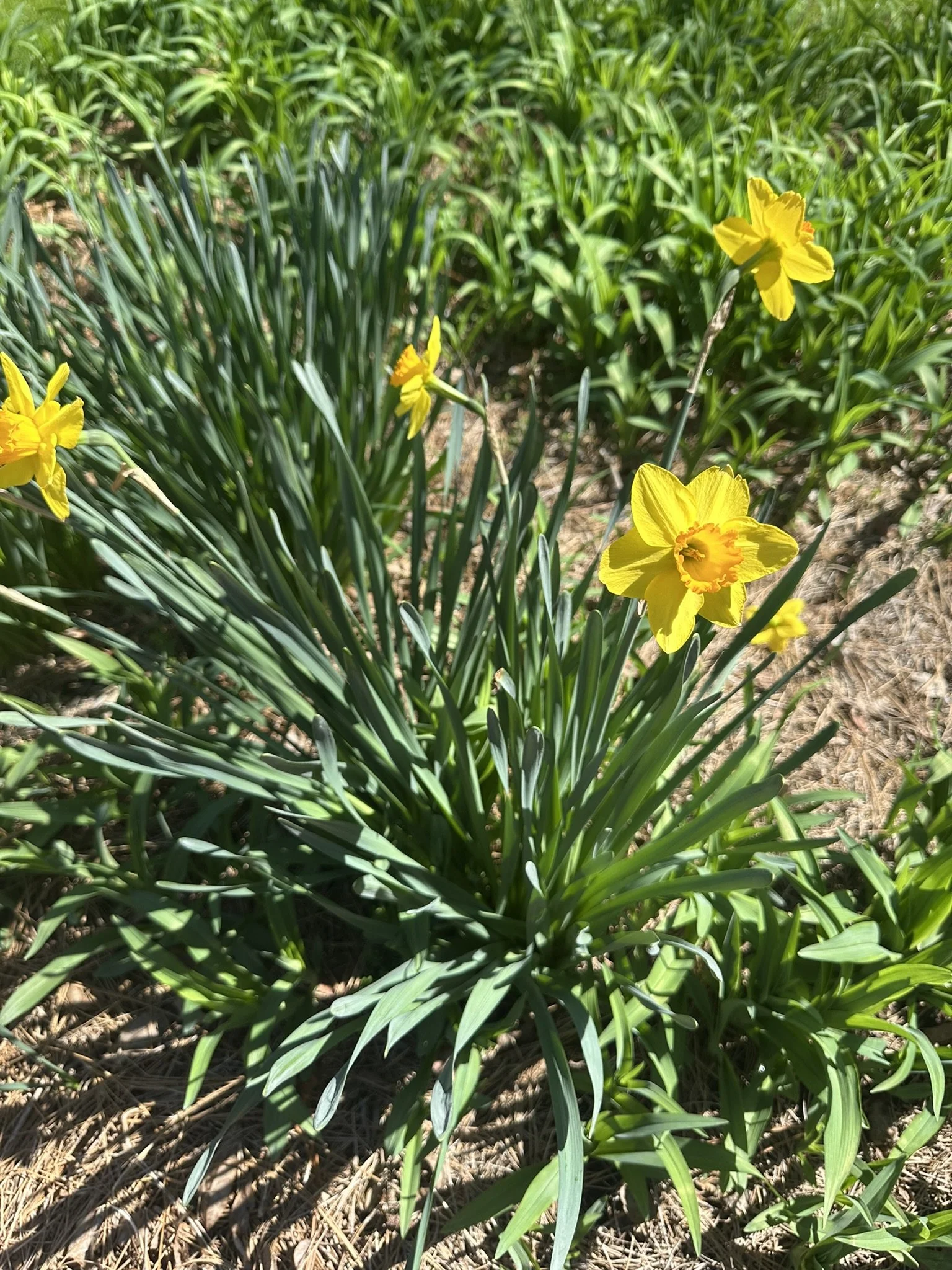
I am a herbaceous perennial, grown from bulbs.
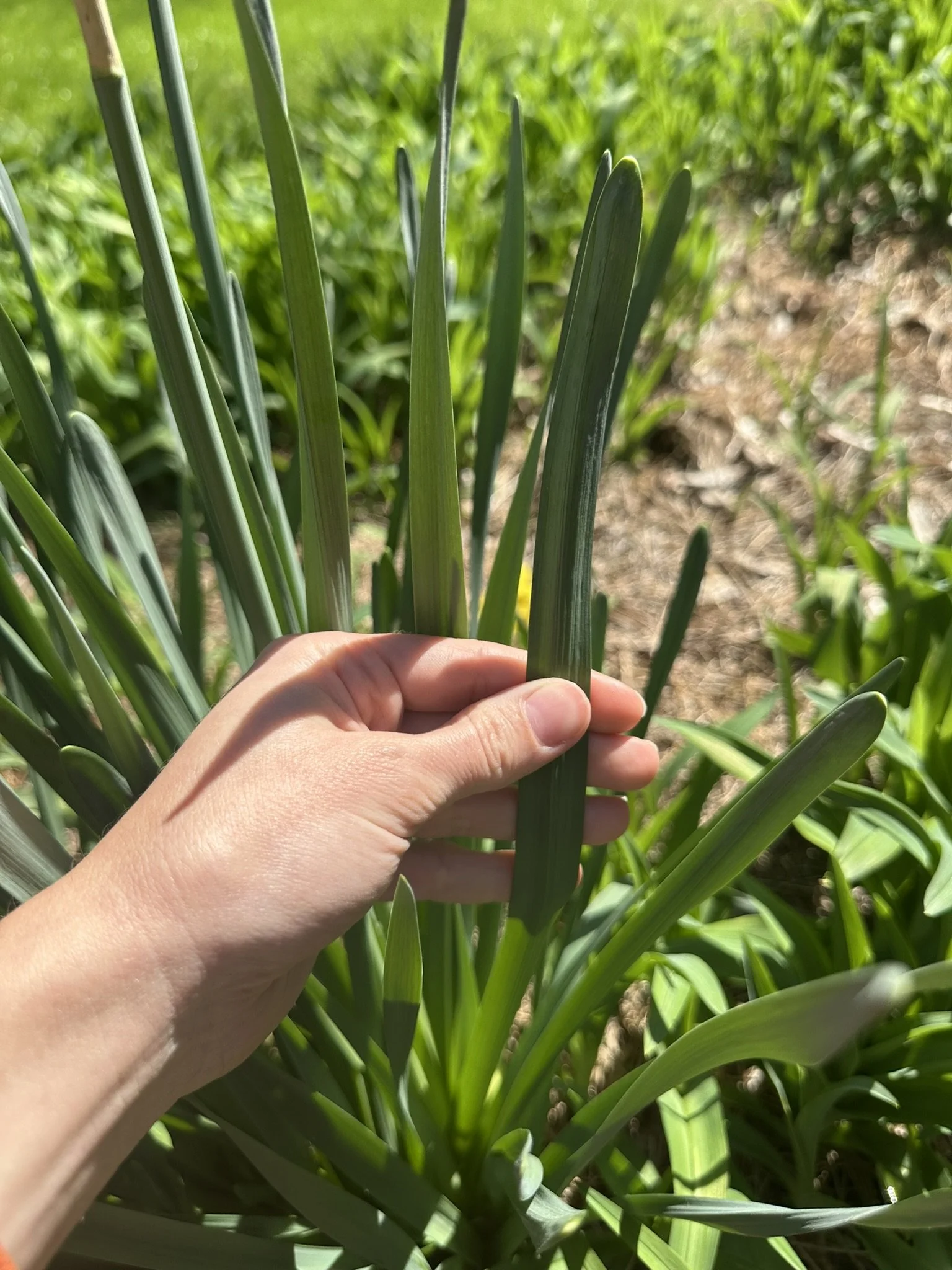
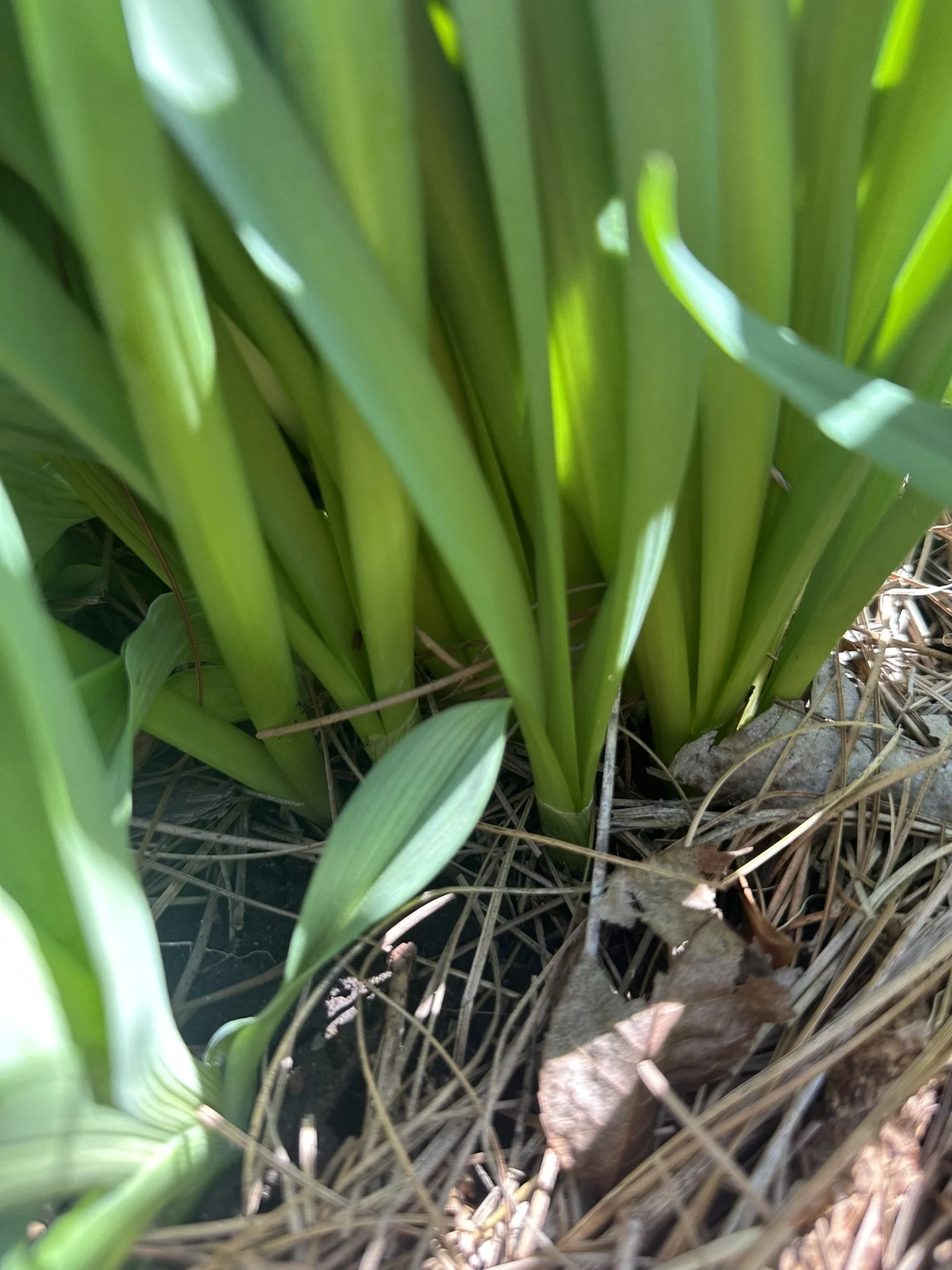
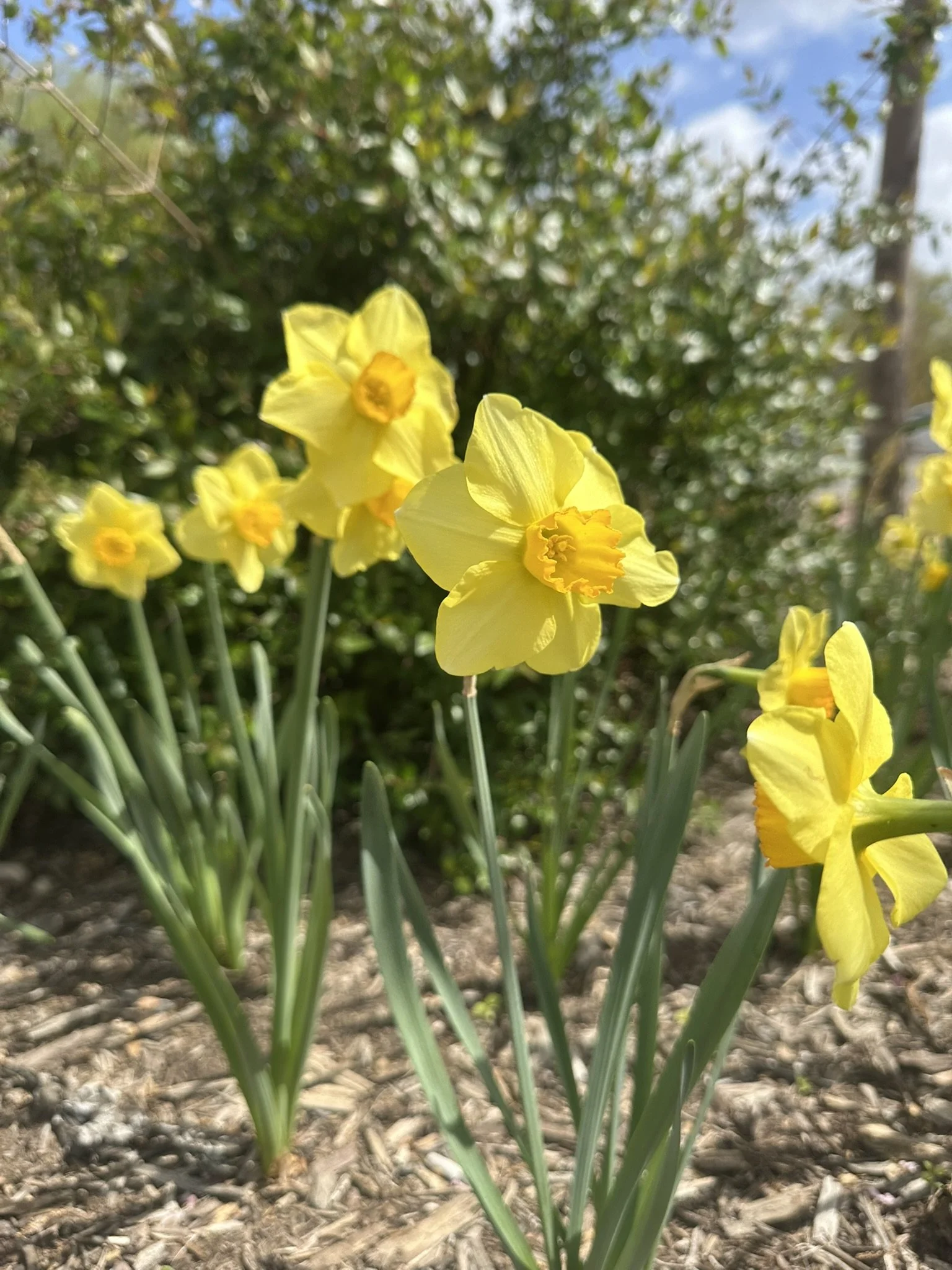
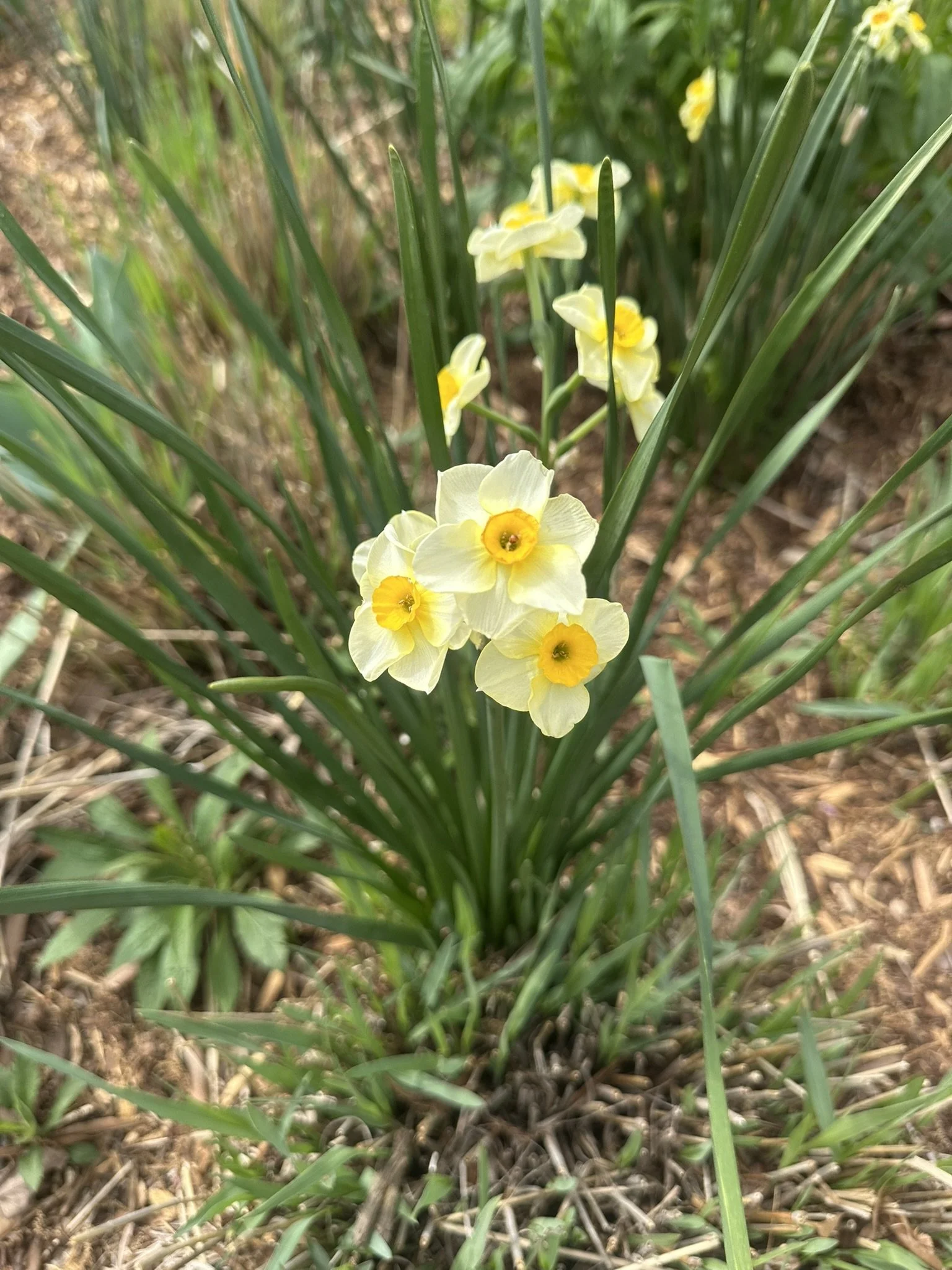
I grow in clumps and have very upright (and hollow) stems.
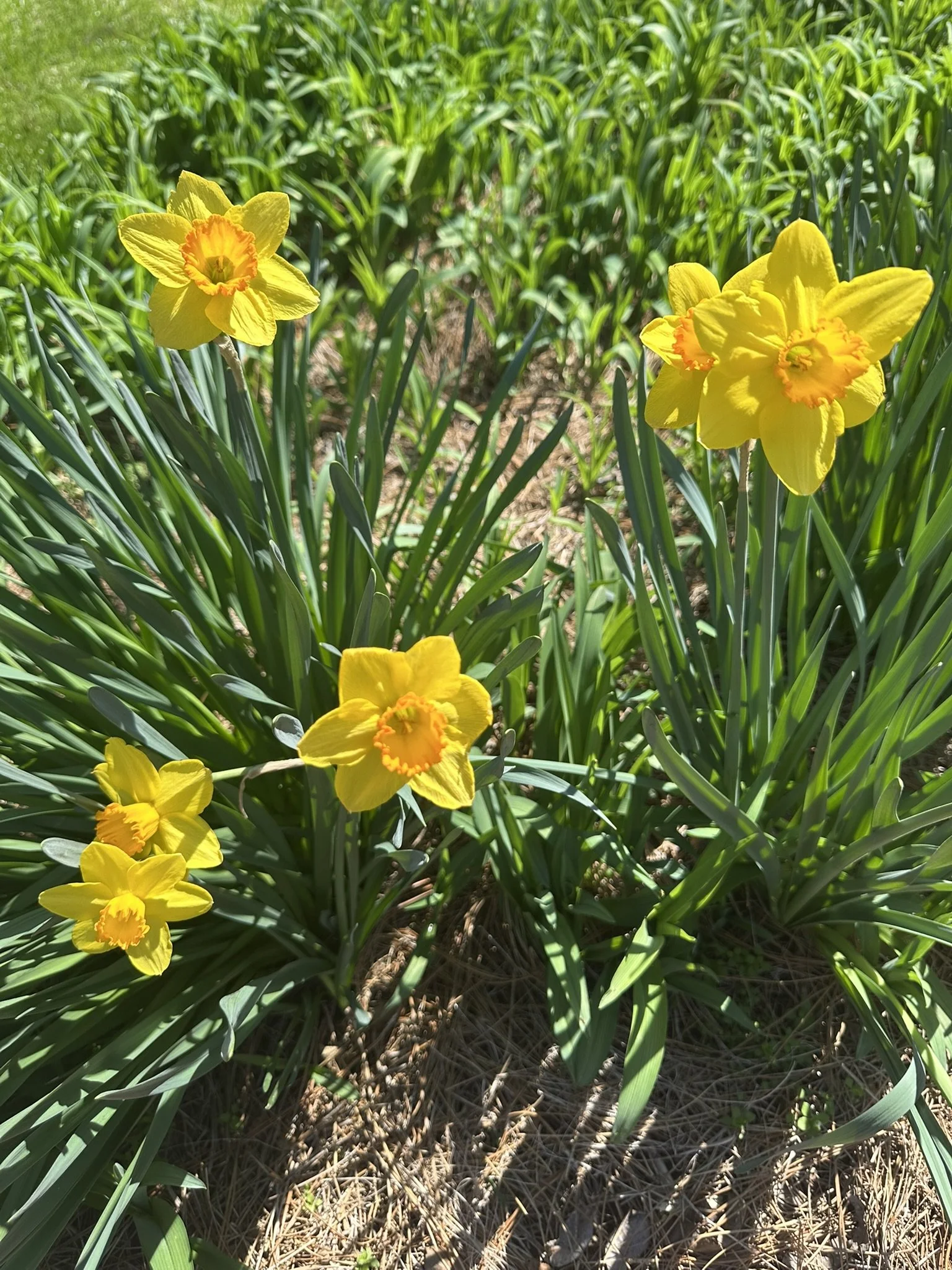
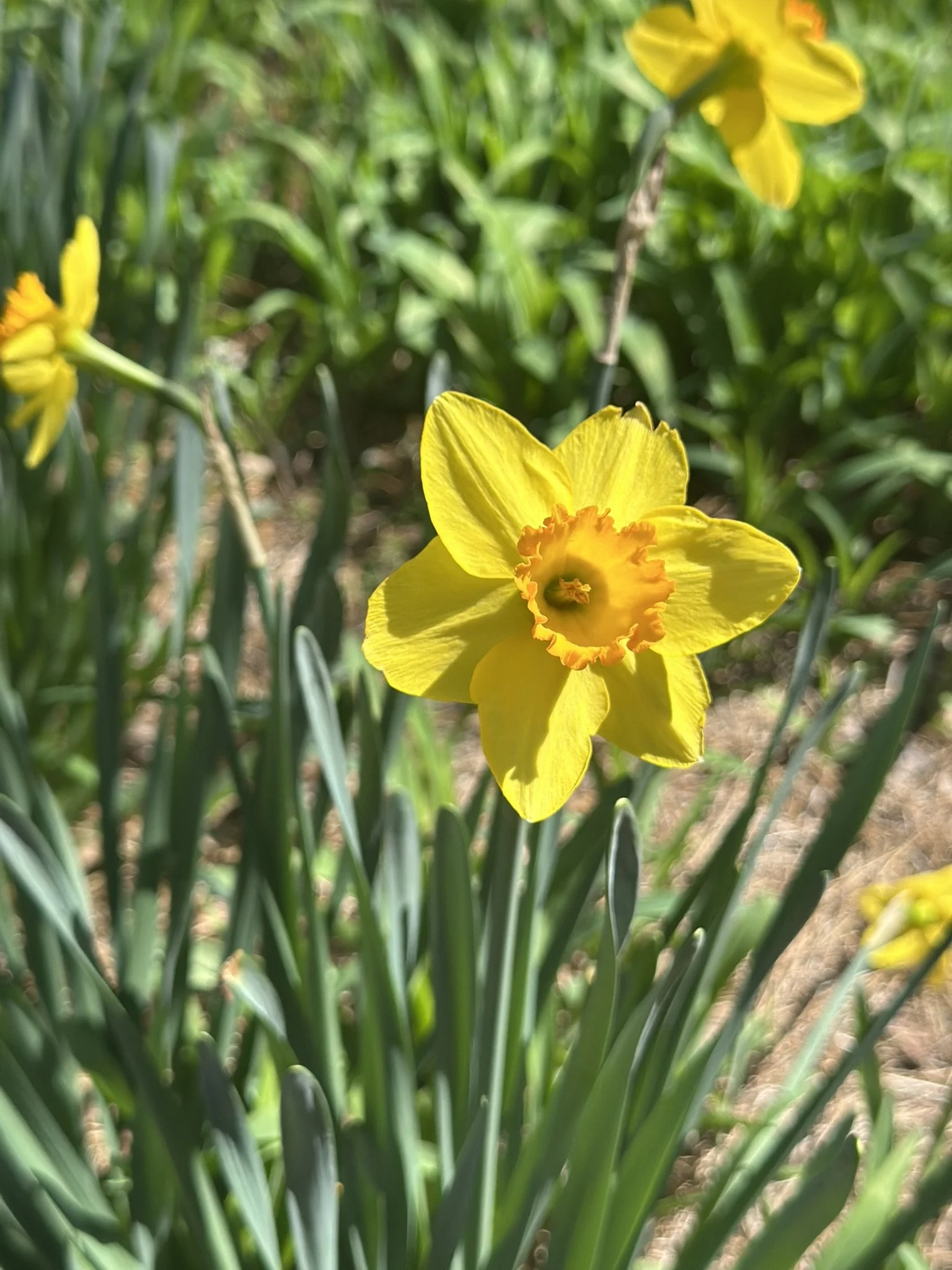
My blooms typically have 6 petals, surrounding a central, trumpet-shaped structure. My petals and flower center can be the same color, or different colors.
Sometimes I have multiple layers of petals (“Double” flower types.)
My leaves are long, linear, smooth, and flat. They emerge directly from the ground.
How big do I grow?: 6” - 3’ height and 6” - 1’ spread.
Sun-seeker or shade-lover: Full sun to part shade.
Where I prefer to put my roots: I am adaptable to a range of soils, but prefer well-drained soil that is slightly acidic. Good drainage is often critical for bulbs.
Hardiness: Zone 4-8
Original home: I am primarily native to the Mediterranean (Northern Africa, Europe, Western Asia).
Colors: My flowers can be yellow, orange, pink, white, or some combination of these colors.
When I bloom: Late winter to early spring.
Wildlife friends: My flowers can be fragrant, and attract butterflies and bees, but are generally not considered an important pollinator plant.
Flora Fun Facts: Narcissus is named after the Greek mythological story of a character who becomes obsessed with his own reflection, wasting away and transforming into the flower of the same name.
More Info: This familiar plant emerges in green fingers from the earth, one of the first signs of color at the end of winter. It has become a symbol of spring for this very reason!
There are thousands of cultivars of daffodils - variations and combinations of the estimated 40+ species. The American Daffodil Society lists 13 divisions of these varieties.
Daffodil bulbs are best planted in the fall, about 6” - 8” deep, or a depth three times the height of the bulb. Plant with the pointy end facing up.
This plant is mildly poisonous and can cause contact dermatitis if the sap from the stems or bulbs gets on skin. All parts of the plant are poisonous if eaten.
It is recommended to deadhead the flowers once the blooms have spent. The entire plant (foliage and stems) can be cut back once the leaves begin to yellow.
A great flower selection for planting bed borders, in woodland gardens, rock gardens, or in pots. They also make a great cut flower.
Daffodils are a source of galanthamine - a natural substance used to treat Alzheimer’s disease. They are farmed especially in Wales for this purpose.