Meet the Flowering Dogwood
Flowering Dogwood | Cornus florida
How do you know it’s me?:
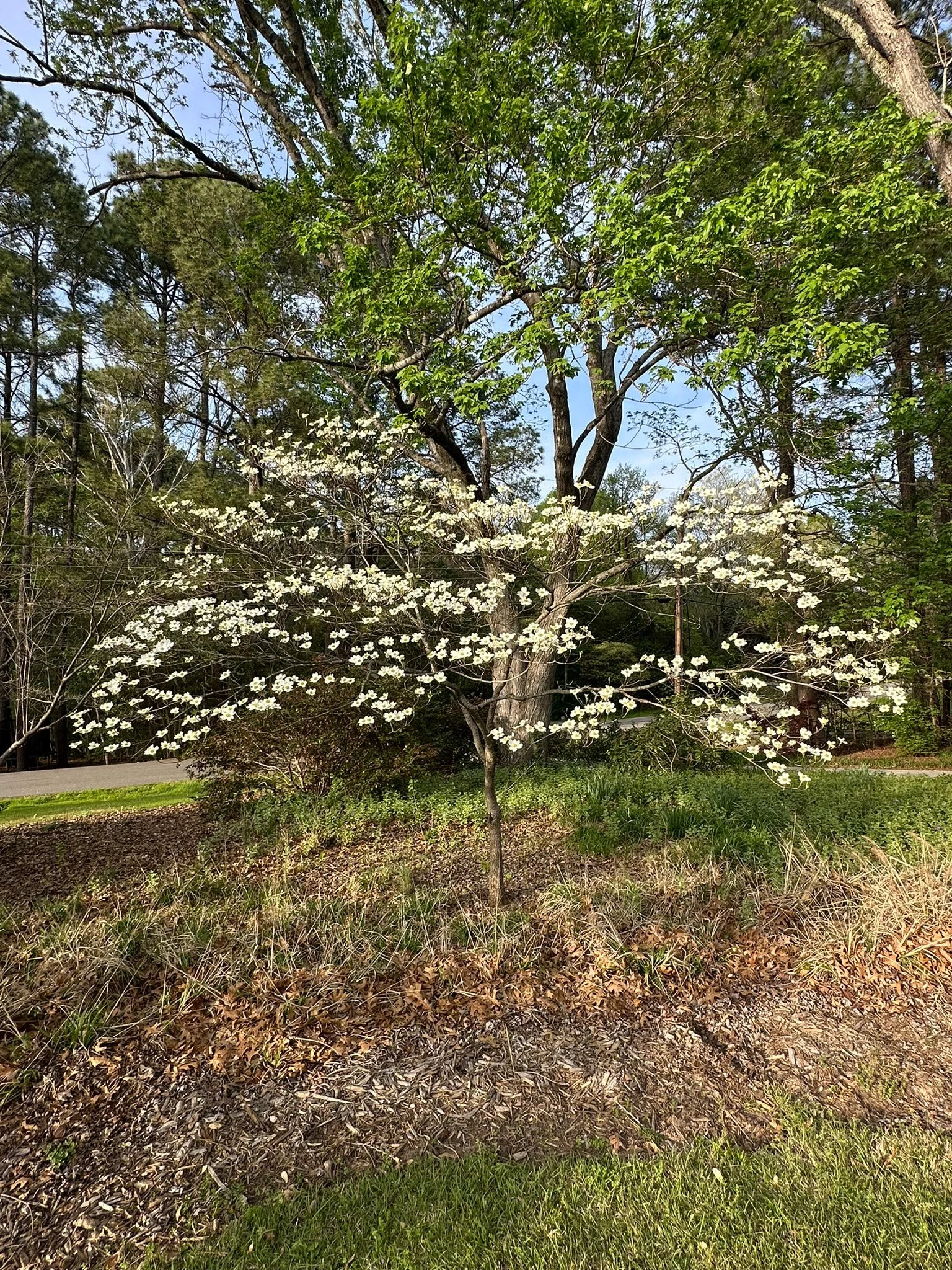
I am a small deciduous tree.
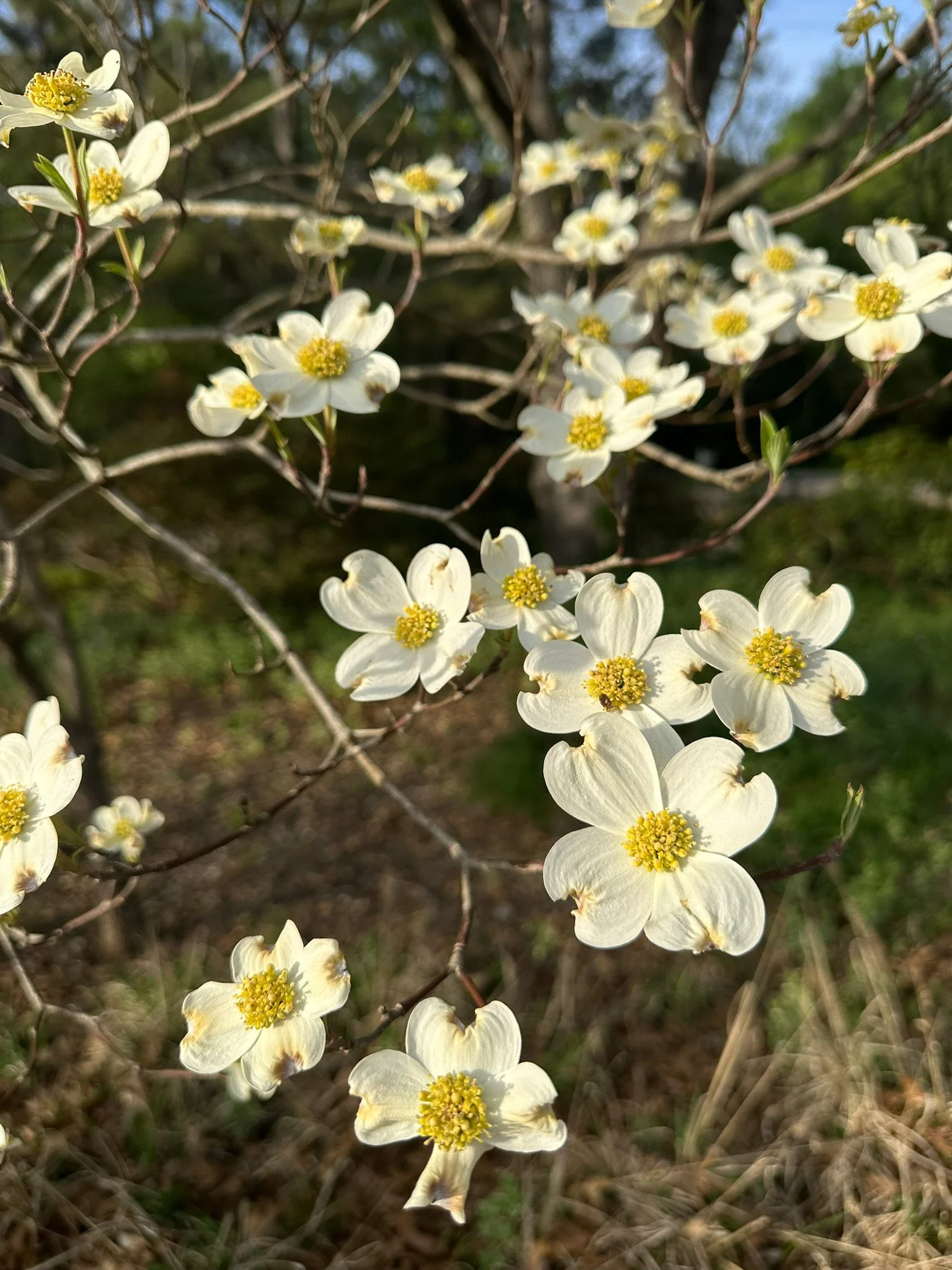
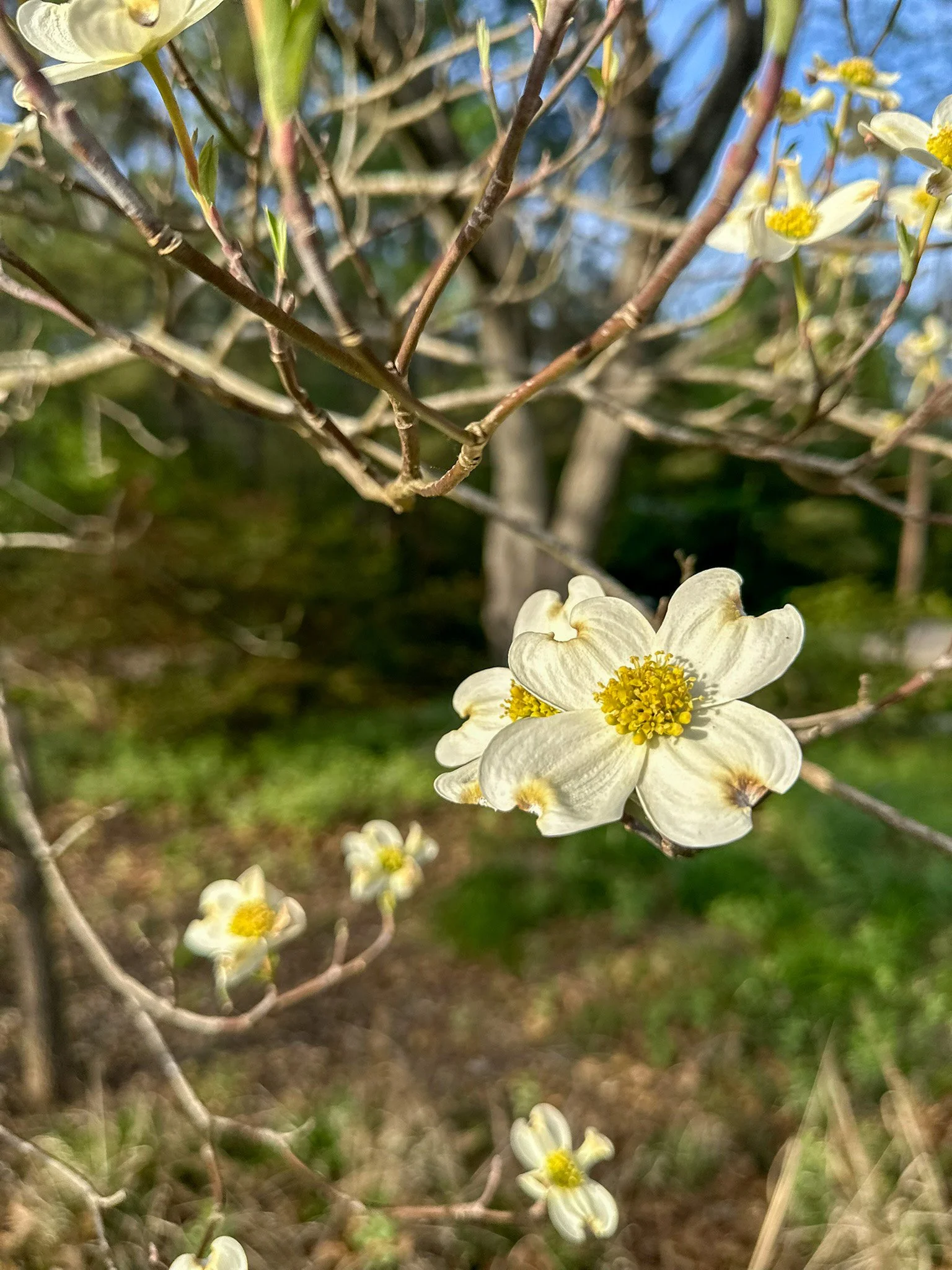
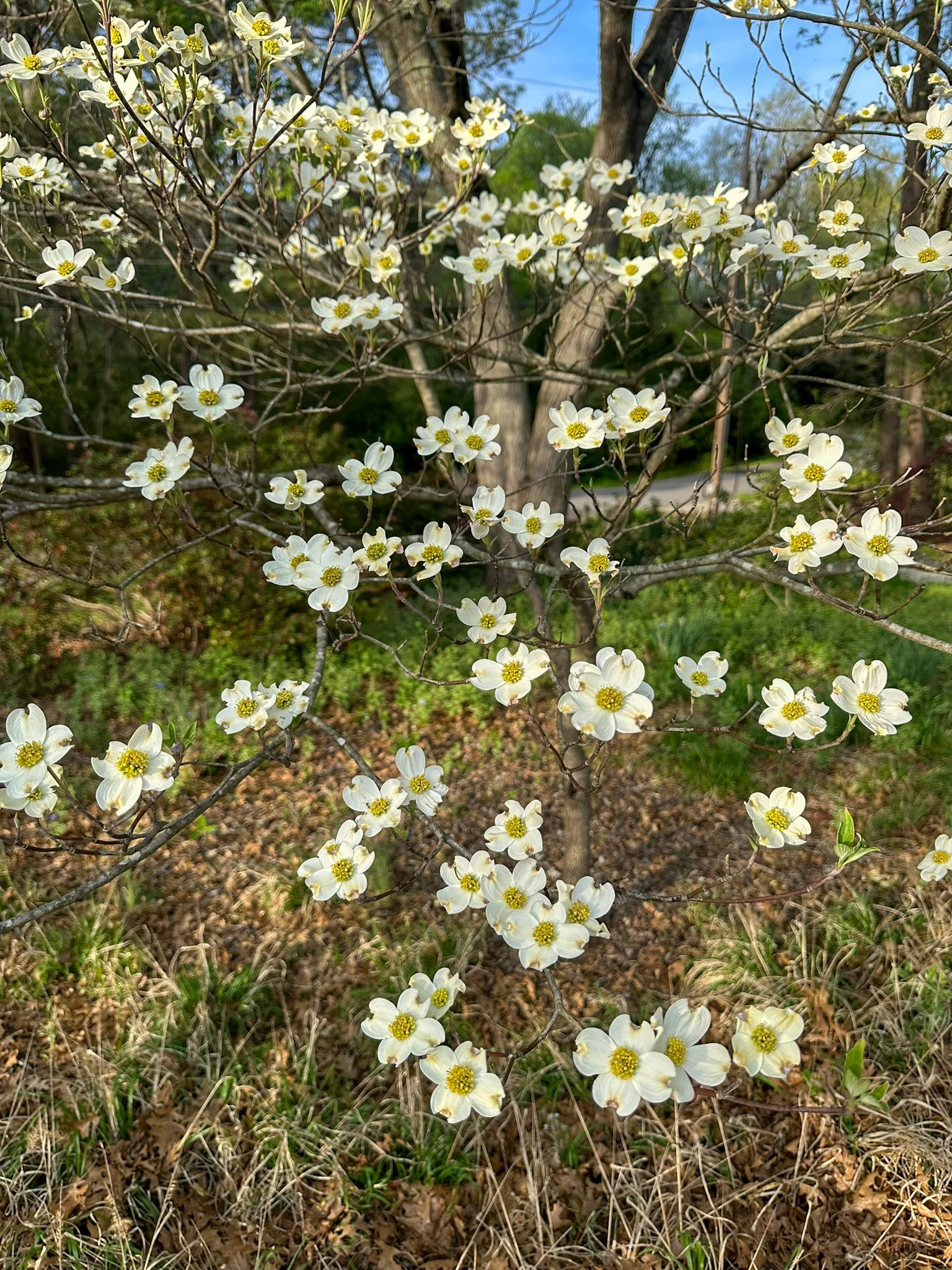
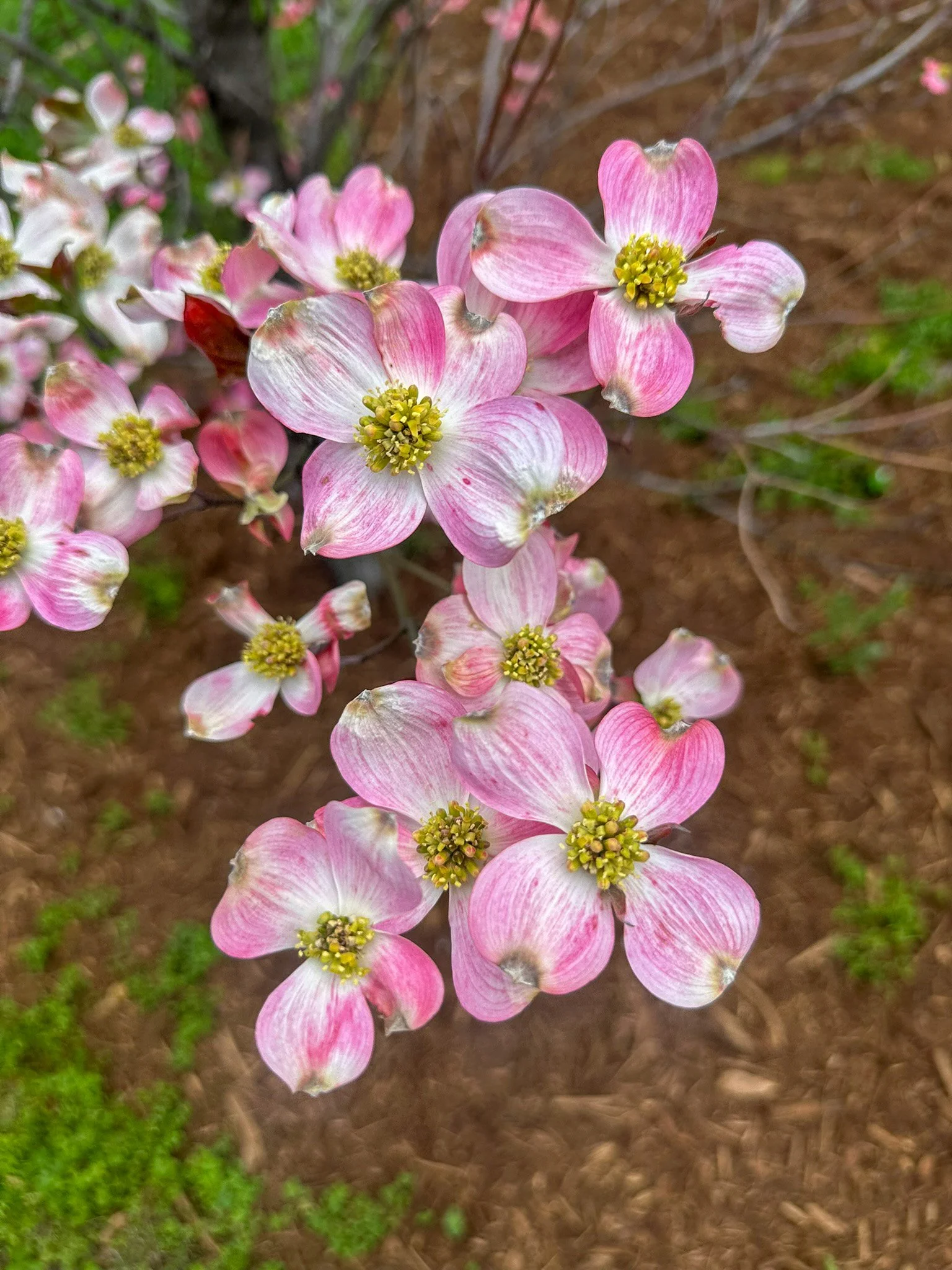
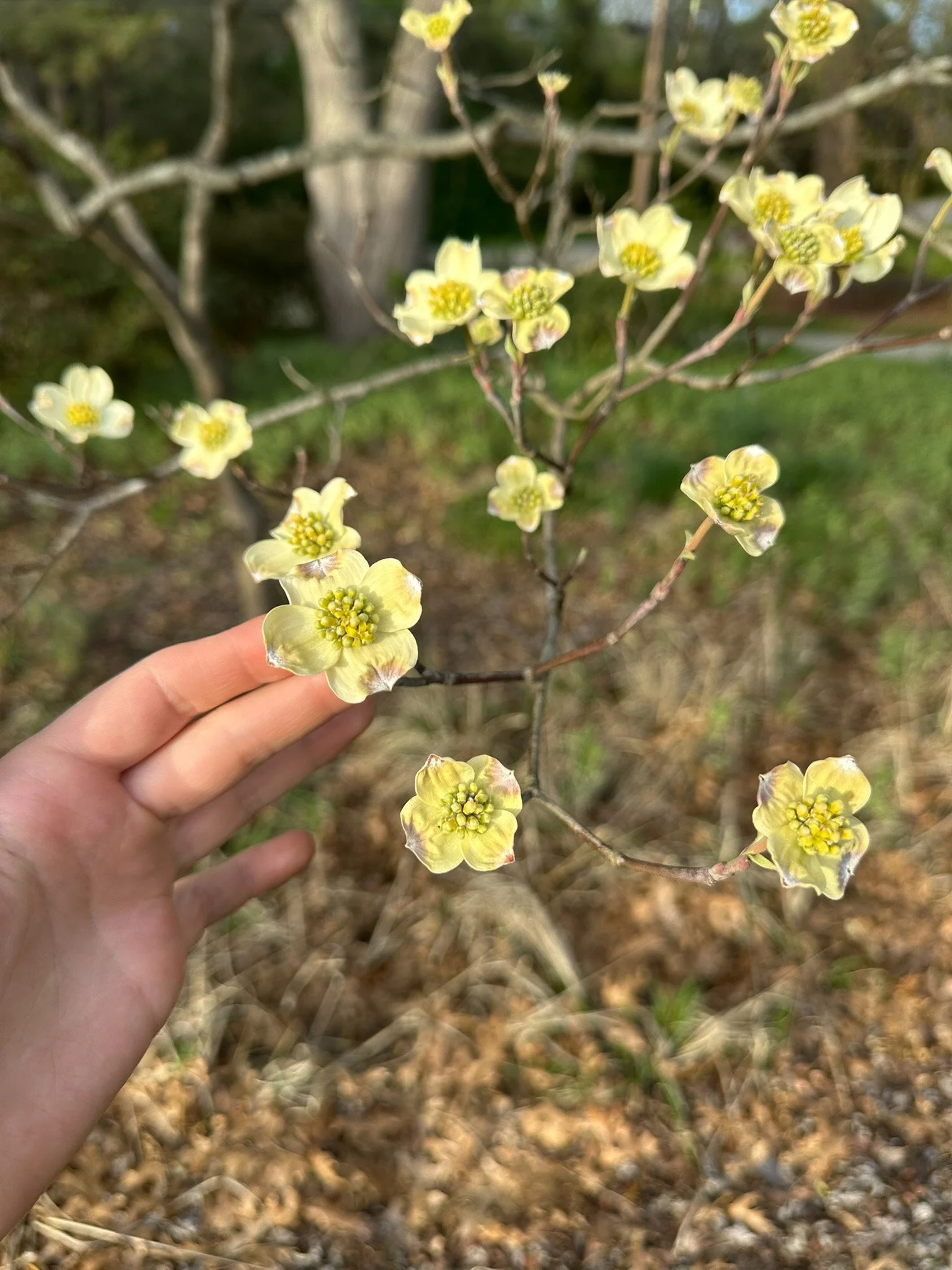
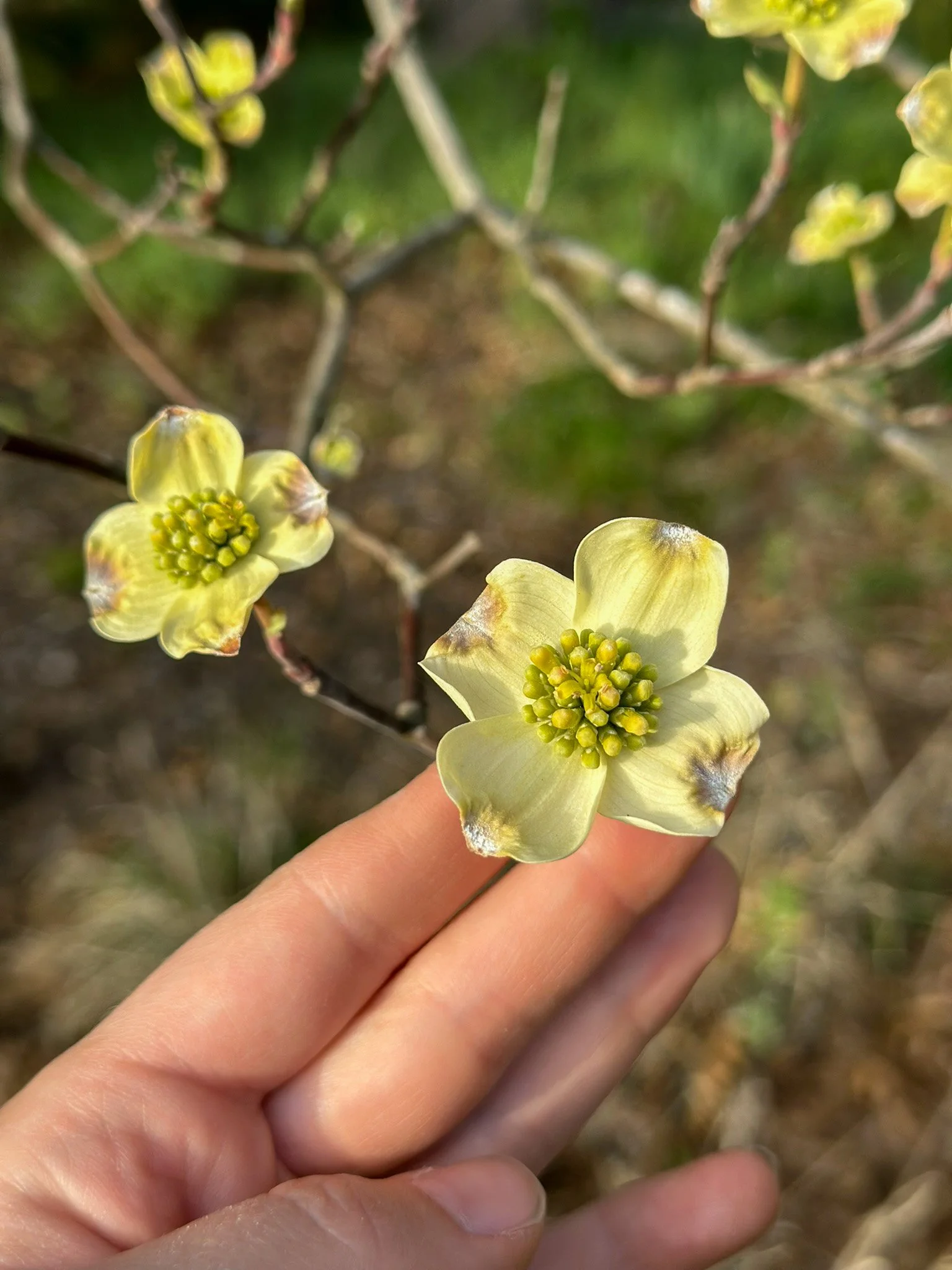
What you might think is my flower is actually a cluster of small flowers surrounded by four petal-like “bracts.” These showy flower-like structures appear before the leaves in spring.
Each bract has a notch at the end.
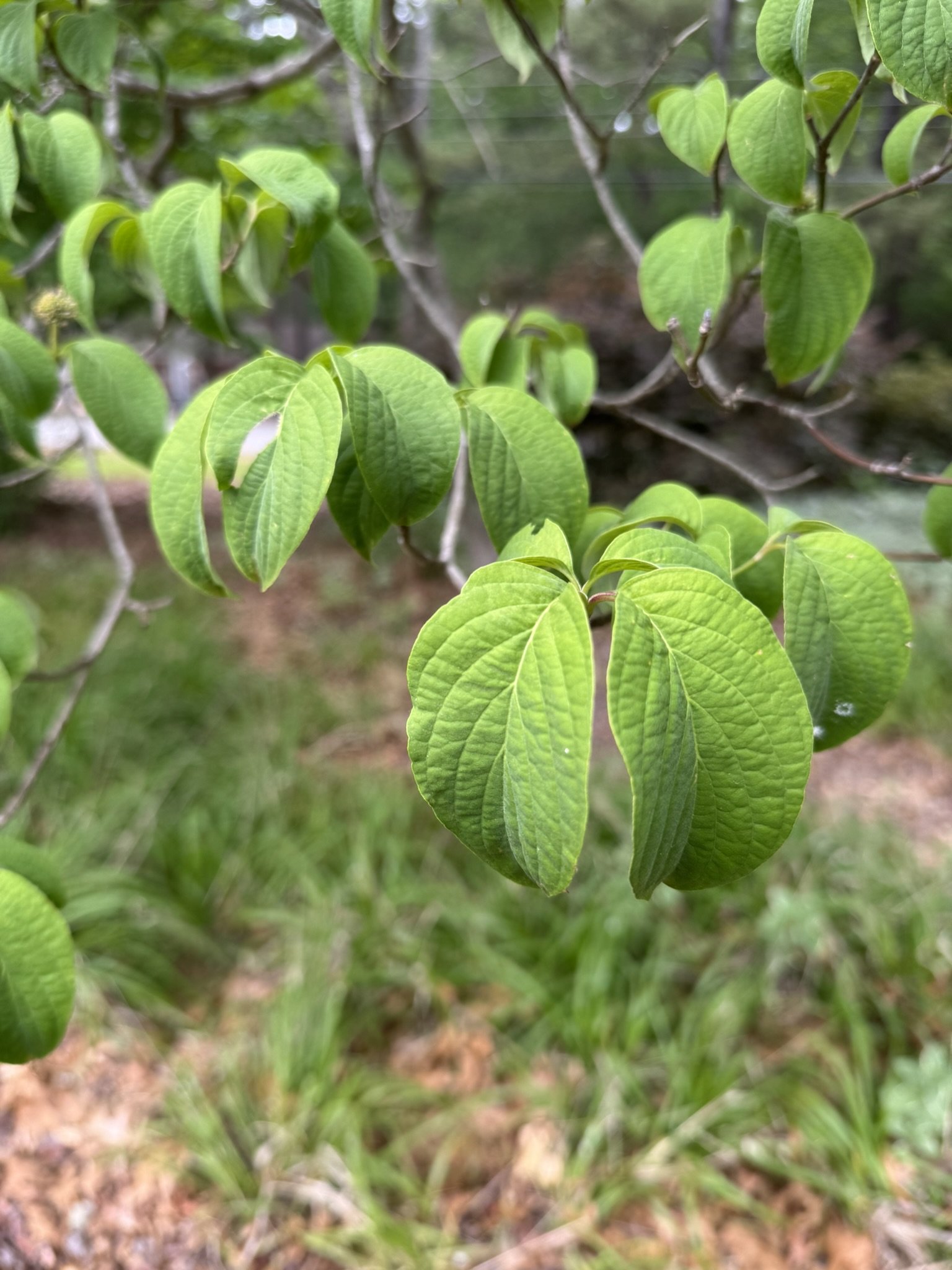
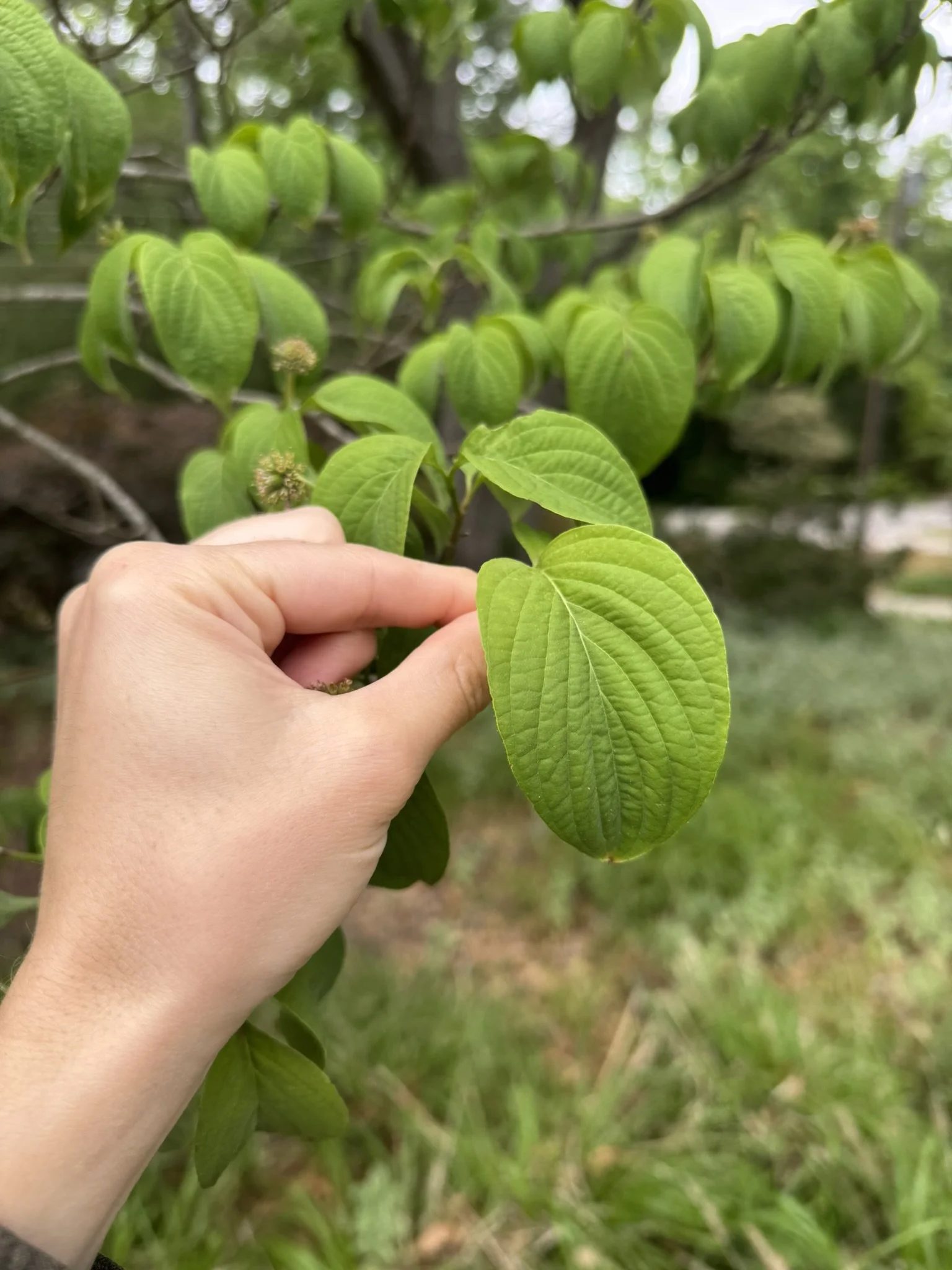
My leaves are opposite, with a pointed oval shape.
My leaf veins are arched and sometimes my leaves have wavy margins.
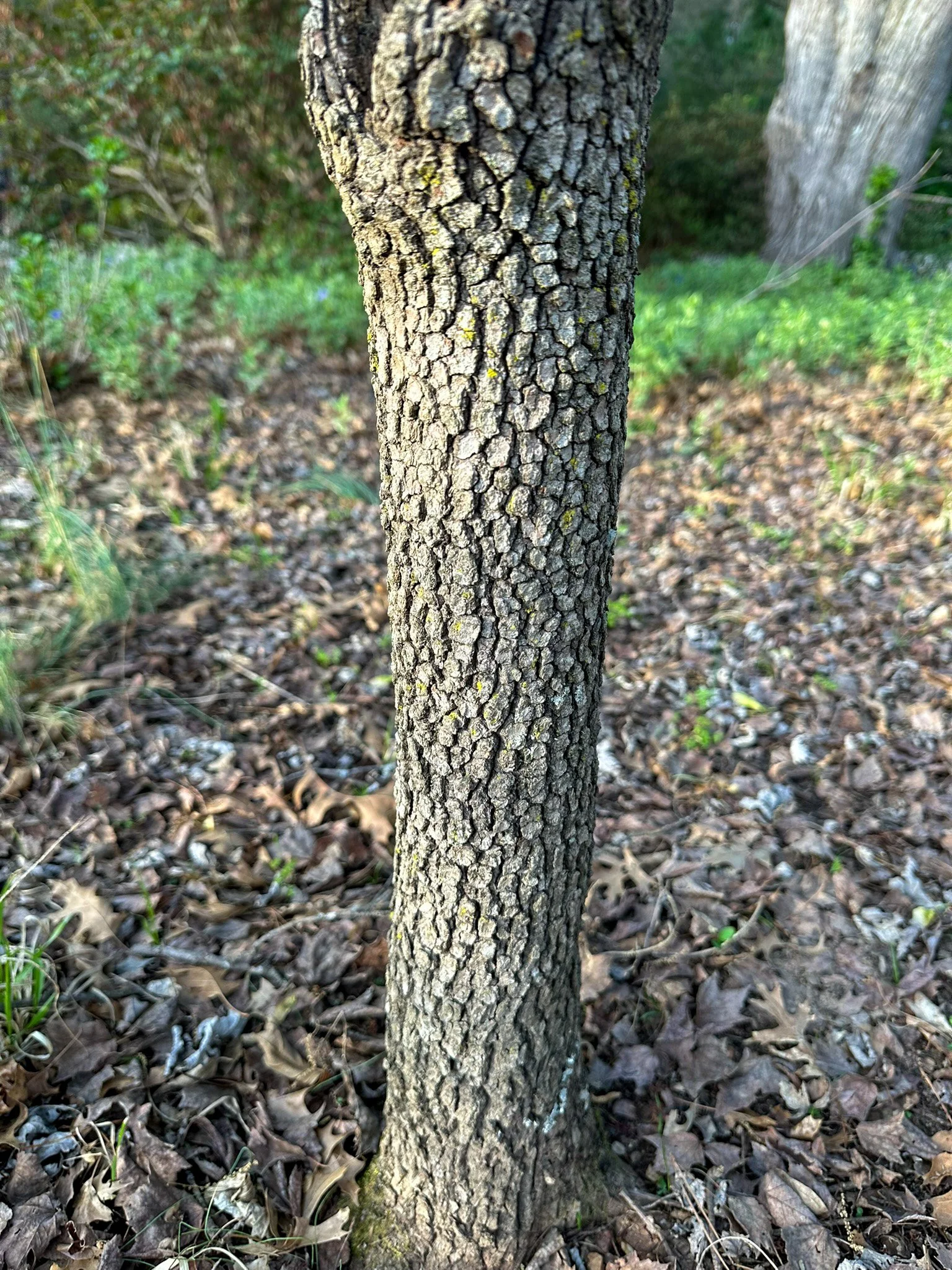
I have grey bark that develops a ridged, scaly texture as it matures.
How big do I grow?: 15’ - 25’ height and 15 - 30’ spread.
Sun-seeker or shade-lover: Full sun to part shade. Part shade preferred in hotter climates.
Where I prefer to put my roots: Well-drained and slightly acidic soil, high in organic matter.
Hardiness: Zone 5-9
Original home: I am native to the eastern United States and Canada, west to Texas. I am typically found as an understory tree in my native habitat.
Colors: My flower-like bracts are typically white or pink. I can have reddish or purplish fall leaf color, and my red fruit also appears in fall.
When I bloom: Early spring.
Wildlife friends: Butterflies and bees visit my flowers. Songbirds, wild turkey, chipmunks, bear, squirrels, deer, and other woodland mammals enjoy my red fruit through the fall and winter. I am a host plant for the spring Azure butterfly.
Flora Fun Facts: I am the state flower of North Carolina and Virginia. I am also the state tree of Virginia and Missouri.
More Info: This early spring bloomer and wildlife magnet permeates forests across the eastern US (and beyond!). Once the white blooms appear, it’s hard to miss, as many other species are still leafless. It can be finicky, but the plethora of cultivated options provides a version of Flowering Dogwood that will suit many home landscapes.
A member of the Cornaceae family.
A great selection for a pollinator garden, woodland garden, native planting, or specimen tree.
Unfortunately, this tree suffers from a variety of diseases and pest issues, especially Anthracnose (a fungal disease), powdery mildew, and boring insects. Some cultivars have better resistance to certain diseases. Ensuring that there is good airflow and well-drained soil is also helpful in preventing disease.
They are also sensitive to environmental stress (like drought, pollution, and leaf scorching).
Flowering dogwood wood is dense and strong. It is often used for tool handles, textile weaving components, and (historically) golf club heads.
The bark and roots were used by Native Americans as a fever reducer, pain reliever, and to treat malaria.