Queen Anne’s Lace | Daucus carota
How do you know it’s me?:
I am an herbaceous biennial.
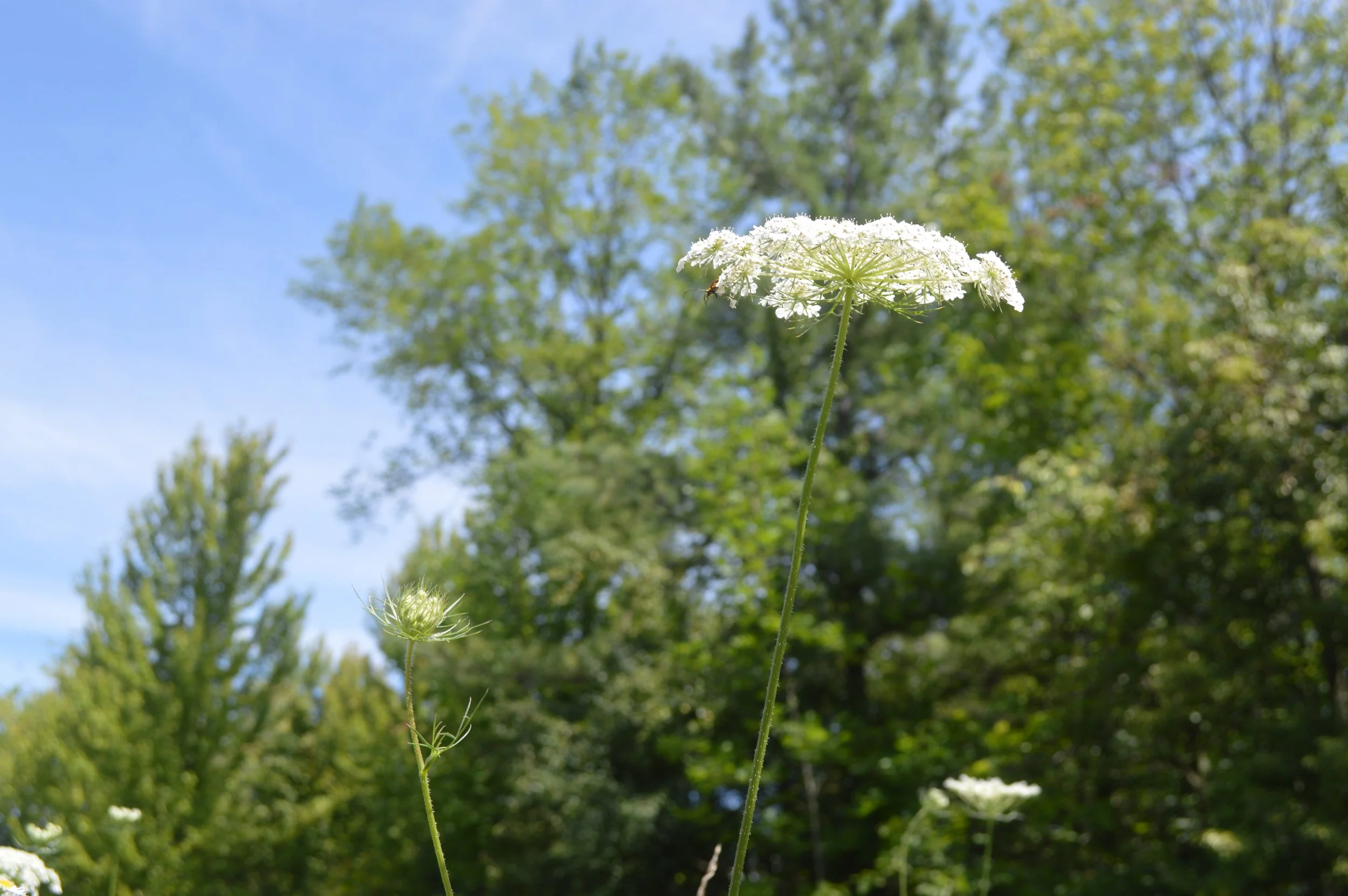
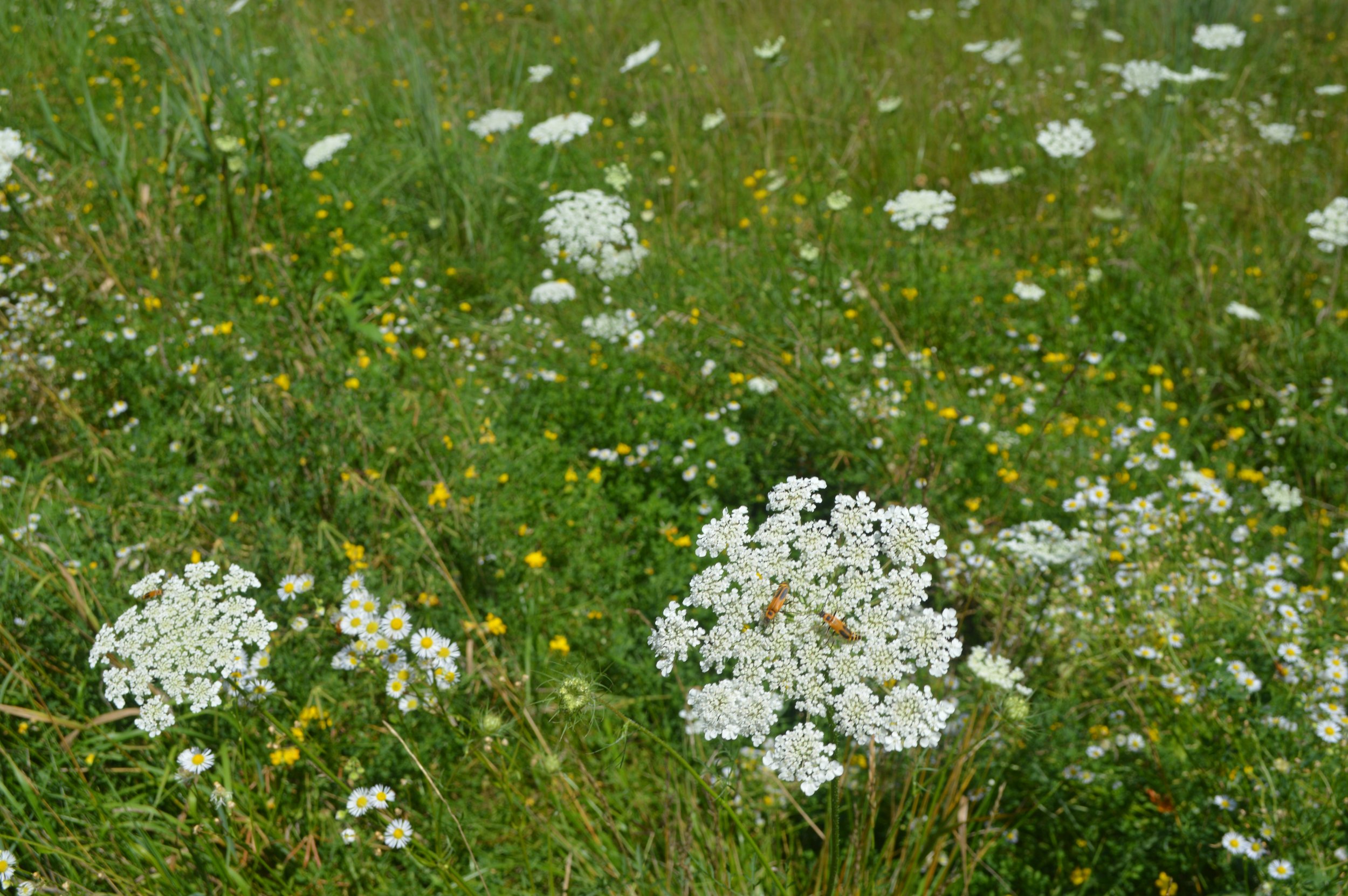
I have a tight cluster of tiny white flowers forming a lace-like pattern at the end of a slender, long stem.
My flower is often curled like a cup at the end of the blooming season.
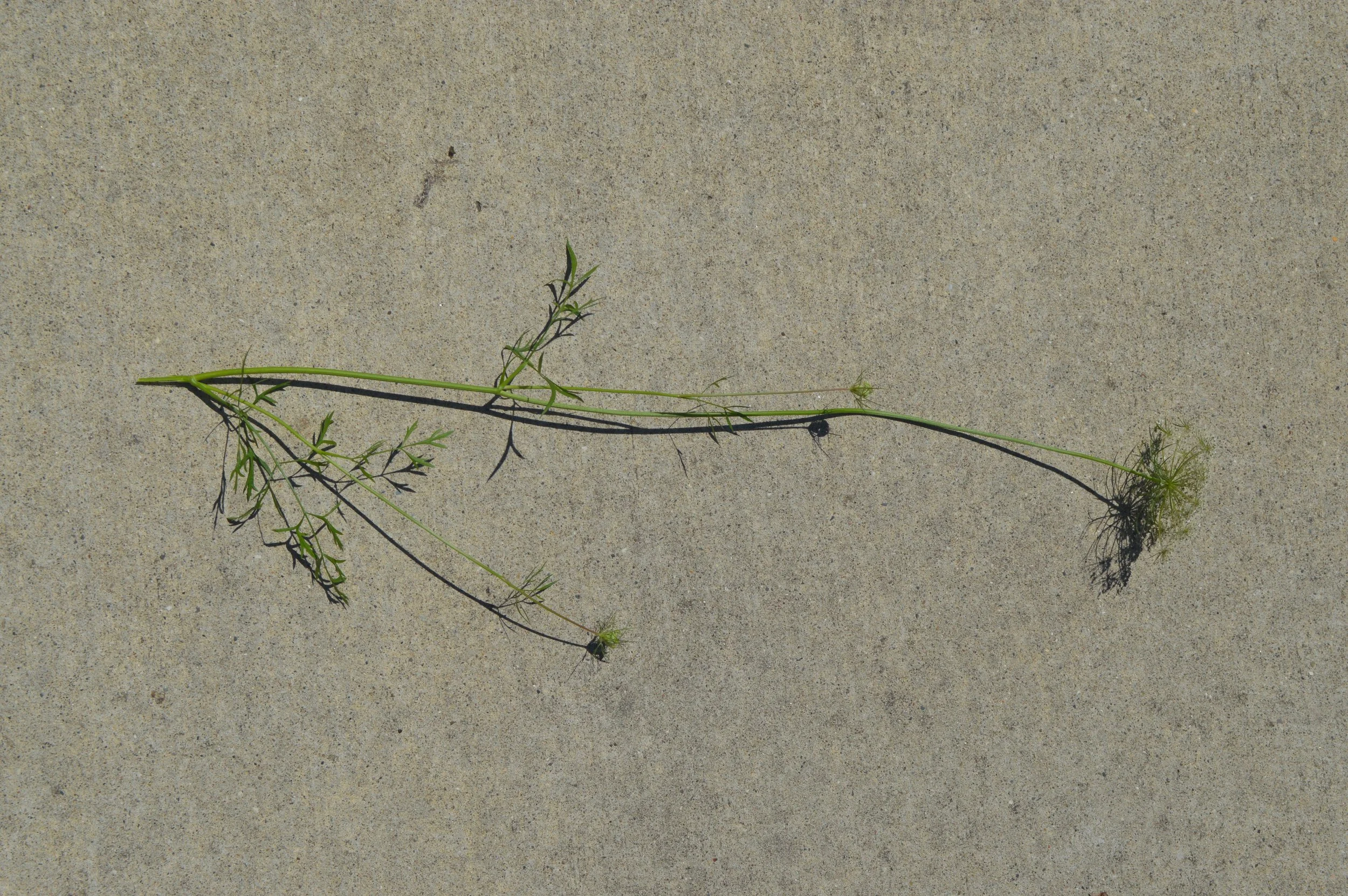
My alternate leaves are narrow and fern-like with a hairy underside.
I have fine hairs on my stems (but if my stem has purple spots, stay away!)
Sometimes there is a tiny dark red or purple flower at the center of the flower cluster.
How big do I grow?: 2’ - 4’ height and 6” - 1’ spread.
Sun-seeker or shade-lover: Full sun.
Where I prefer to put my roots: I’m not too picky, and thrive even in dry and compacted soils.
Hardiness: Zone 3-9.
Original home: I am native to Europe and western Asia. I’m considered an invasive plant in many US states, particularly in the Midwest.
Colors: White or lavender blooms.
When I bloom: Roughly May to October, depending on location.
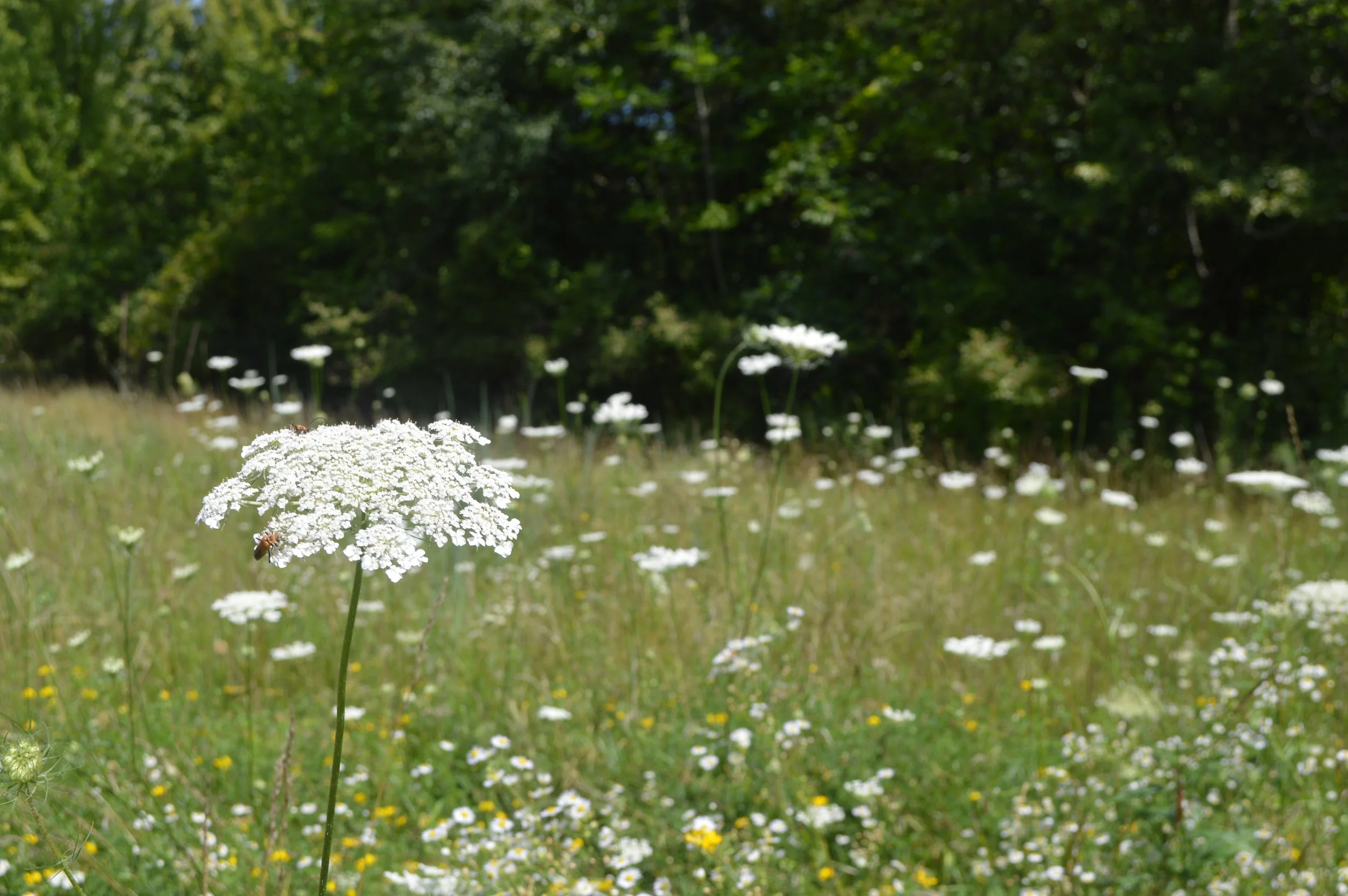
Wildlife friends: Ladybugs, beetles, and bees are attracted to my blooms.
Flora Fun Facts: The carrots sold in grocery stores were actually bred from me, long ago. I am considered the “feral” version of the carrot, and my roots are much less tasty.
More Info: You’ve probably spotted these in a meadow, or more likely, along the highway. They are quick to find a home in recently disturbed natural areas. Queen Anne’s Lace is aptly named for the delicate doily of tiny blossoms peppering these landscapes.
This plant has some dangerous look-alikes (Giant Hogweed and Poison Hemlock). Don’t touch or pick one of its flowers unless you’re sure it’s Queen Anne’s Lace. The look-alikes tend to have looser-set flowers.
A member of the carrot/parsley family (Apiaceae).
My delicate and symmetrical blossom is a symbol of beauty, refuge, and sanctuary.
The origin of the name is contested. Some say it came about as a comparison to one of the Queen Anne's lace-making efforts. Other stories point to Queen Anne (1665-1714), who had as many as 18 pregnancies and only one surviving child. During those years, the flower heads and seeds were used to prevent pregnancy.
Today, the white blooms are used in cut flower bouquets, and the plant is even featured in some topical skin treatments to treat a variety of conditions.
Please be cautious when picking Queen Anne’s Lace, as her dangerous cousins can cause skin rashes - like the Giant Hogweed (located mainly in the Pacific Northwest and Northeast US…and MUCH bigger than your typical Queen Anne’s), and Poison Hemlock (beware the purple spots and smooth stem).