Meet the Coffee Plant
Coffee | Coffea arabica
How do you know it’s me?:
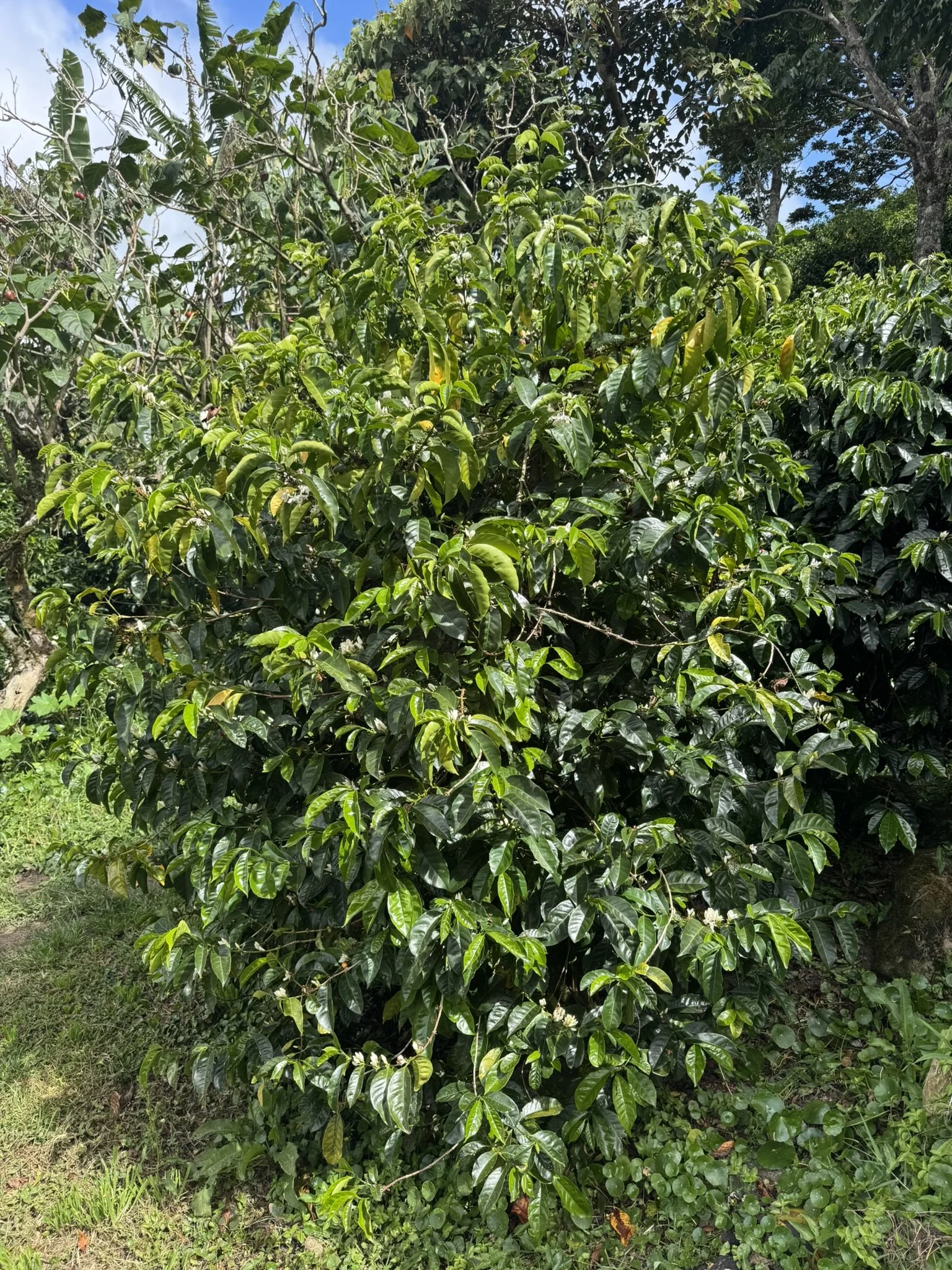
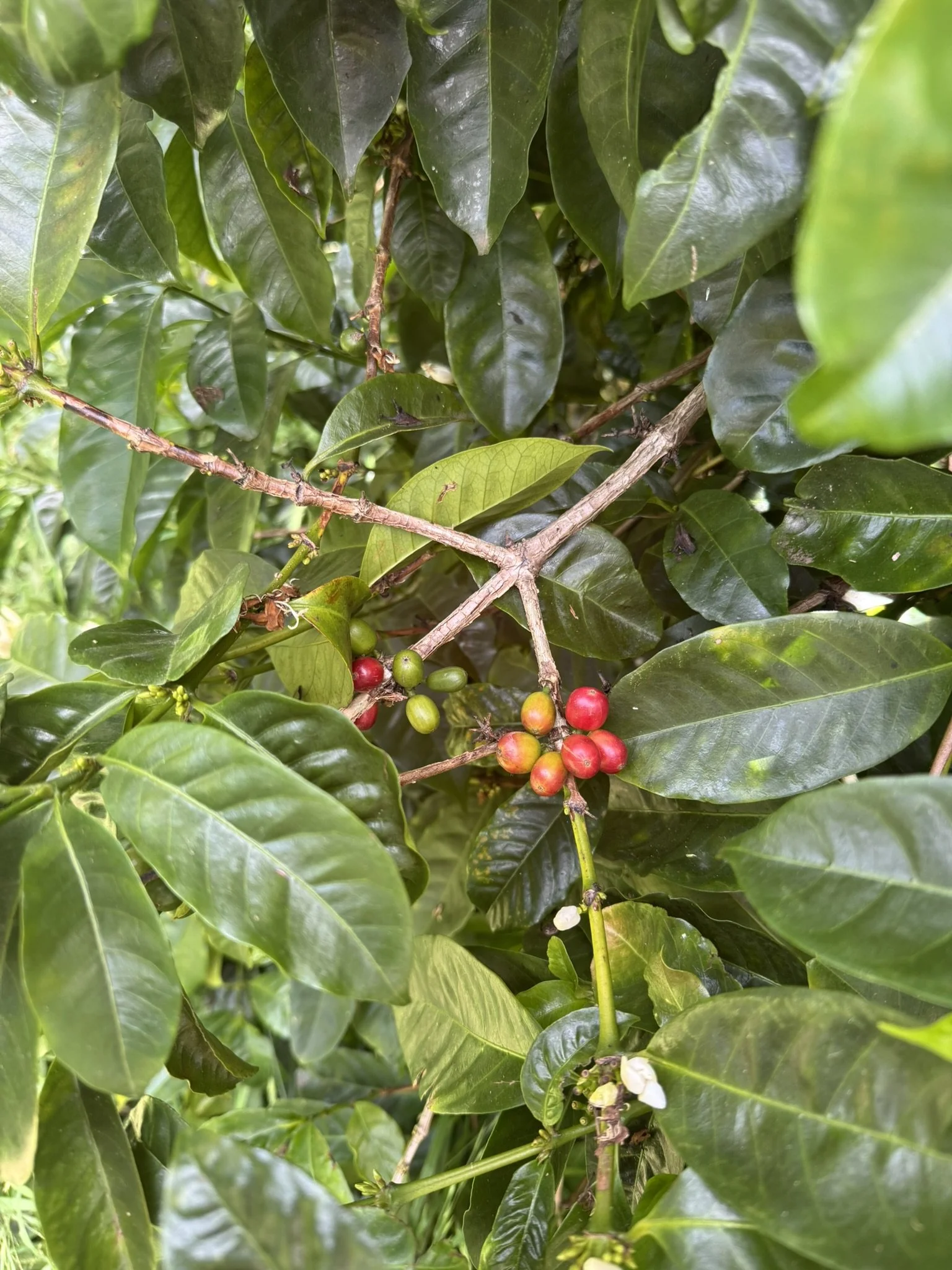
I am a small tree or large shrub, with broadleaf evergreen leaves.
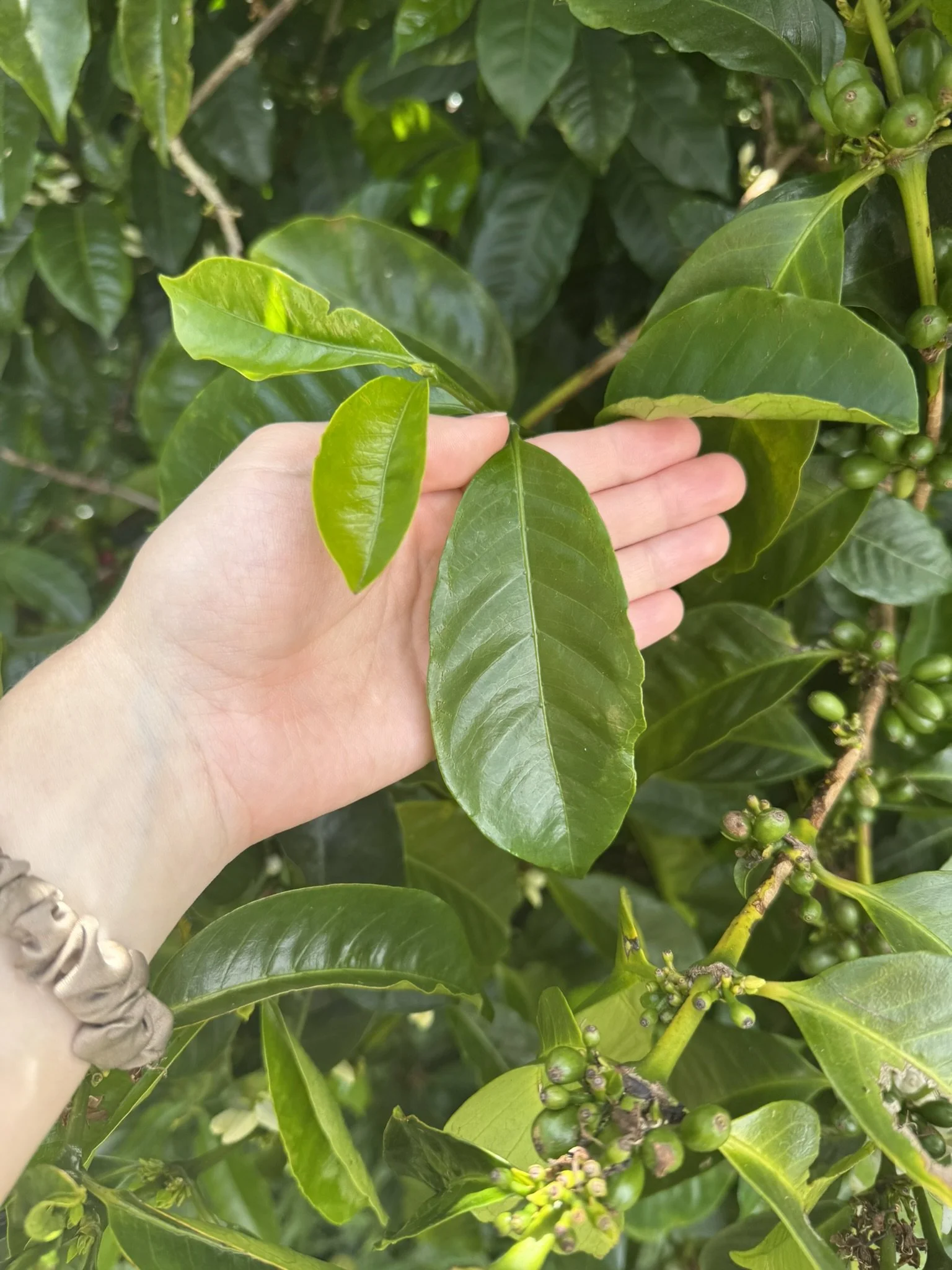
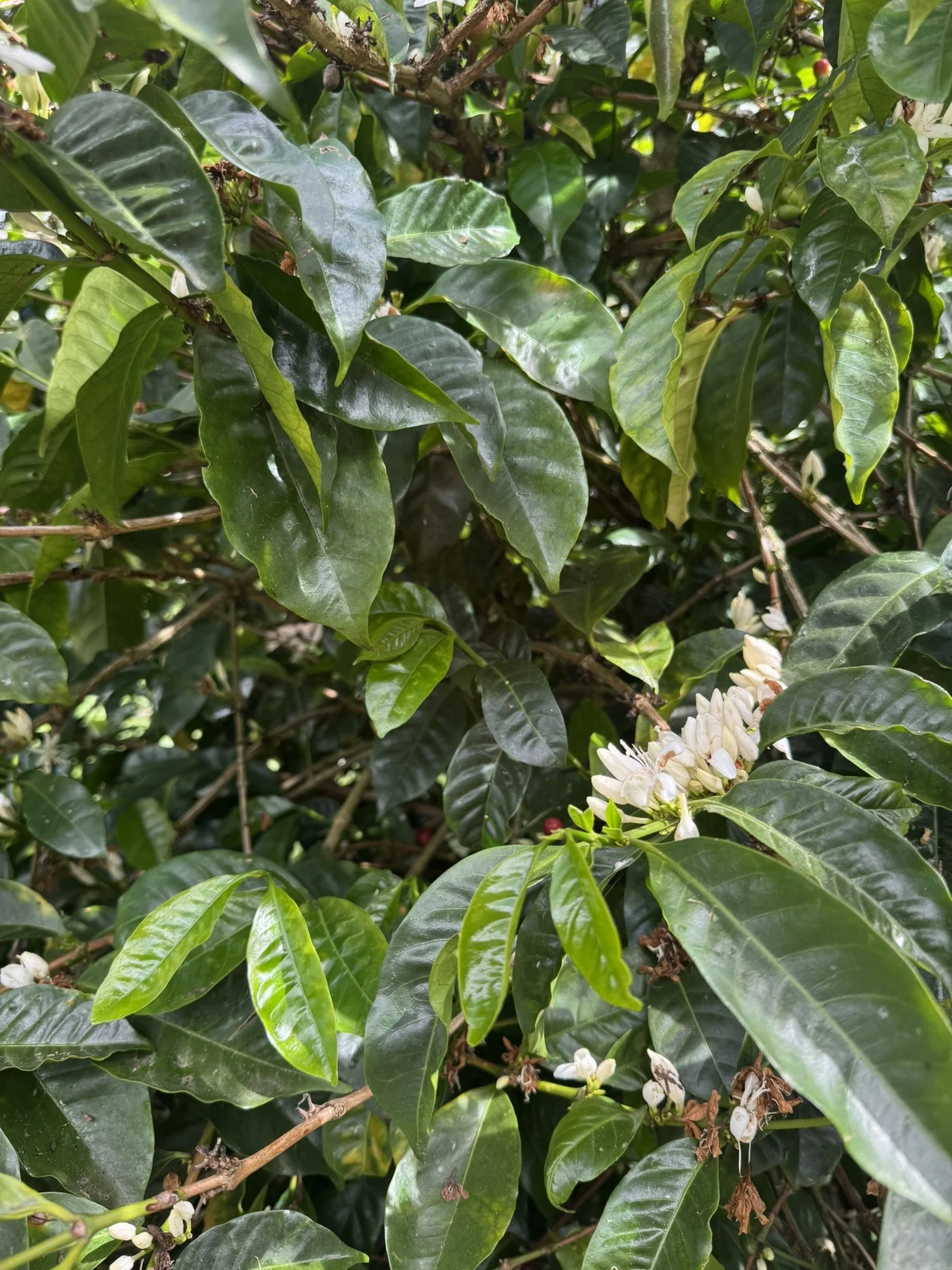
My smooth, glossy, opposite leaves have prominent veins and a pointed oval shape.
My leaves tend to have wavy edges.
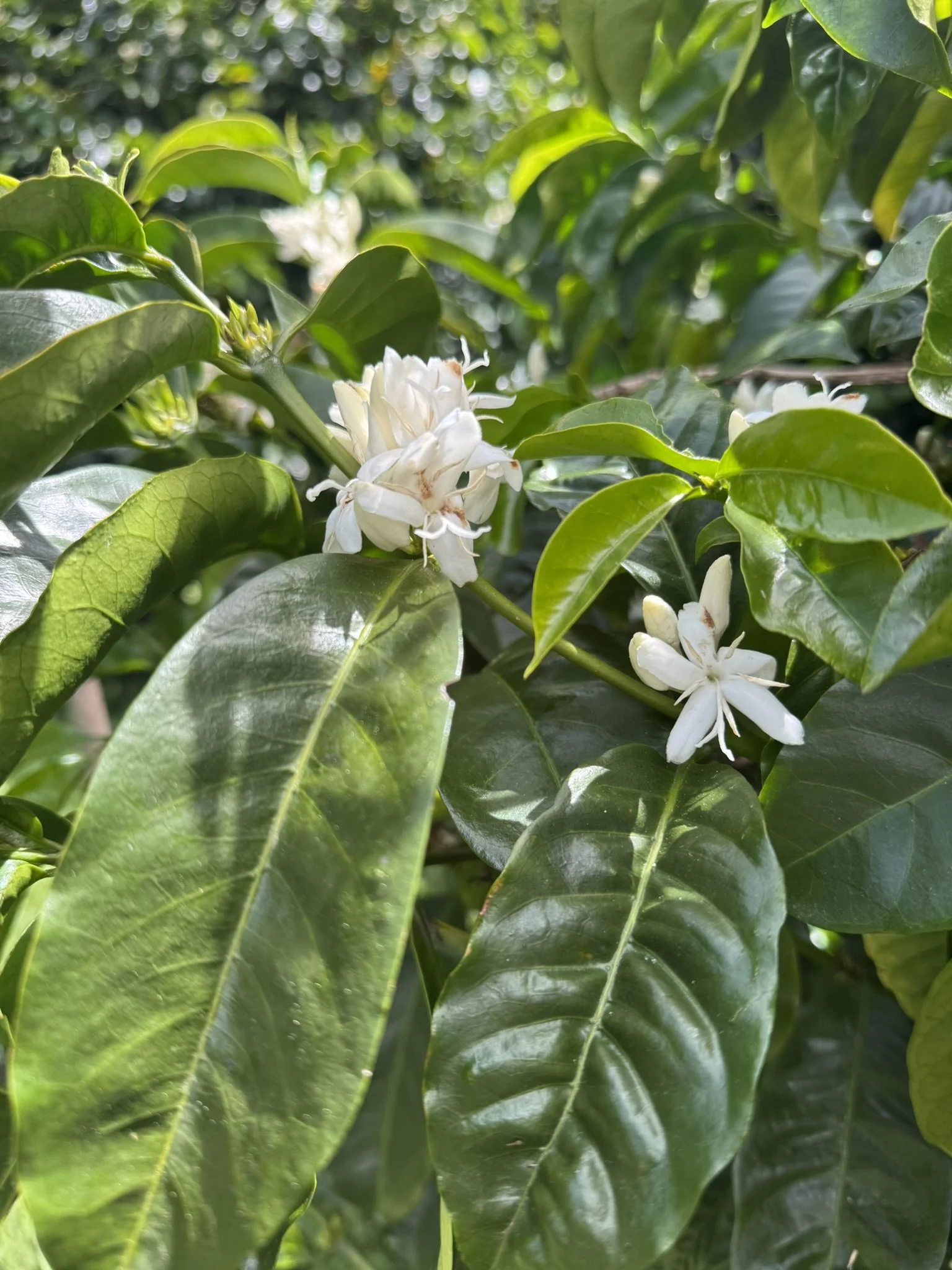
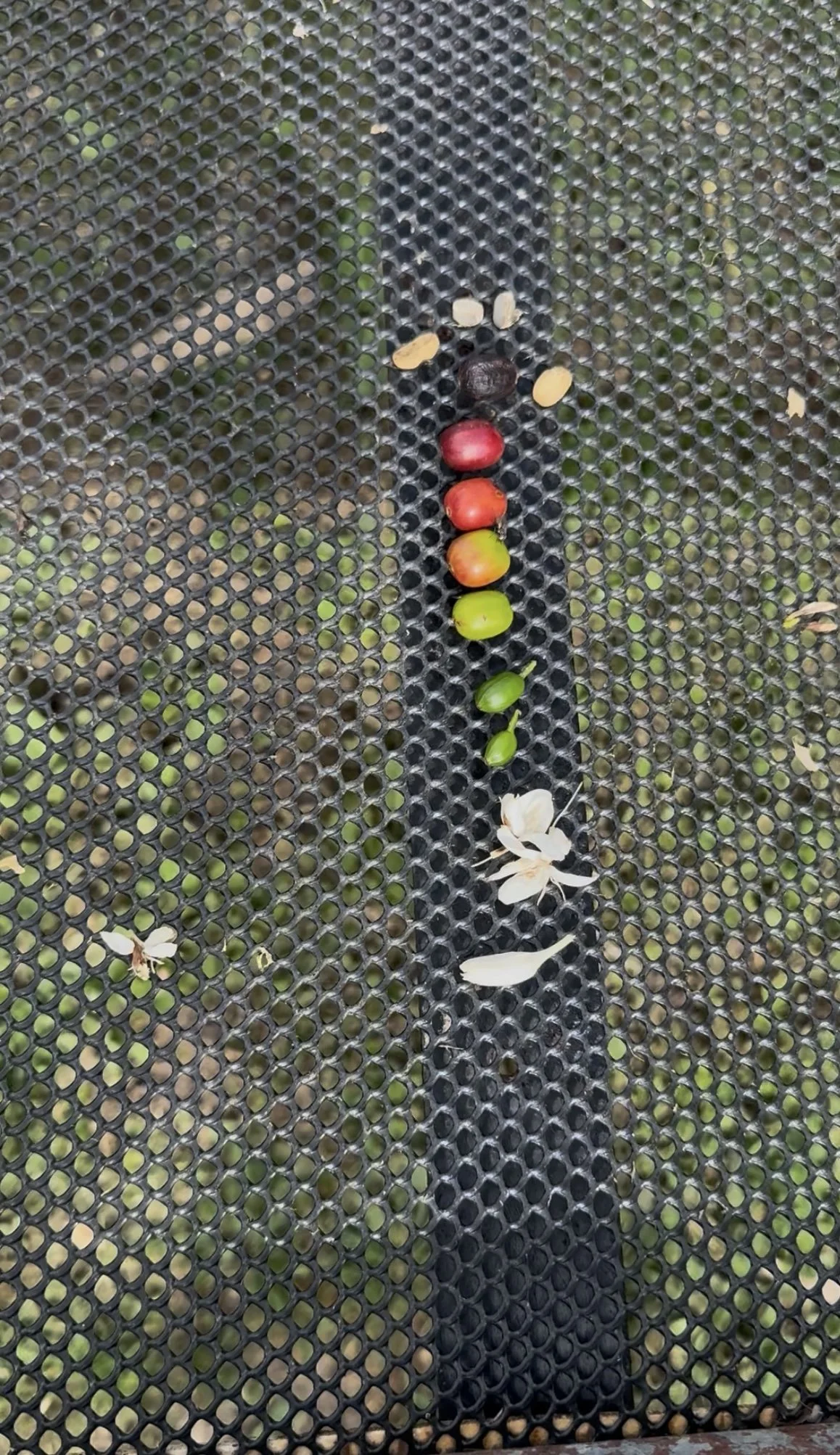
I have fragrant blooms - clusters of star-shaped white flowers that grow close to my stems.
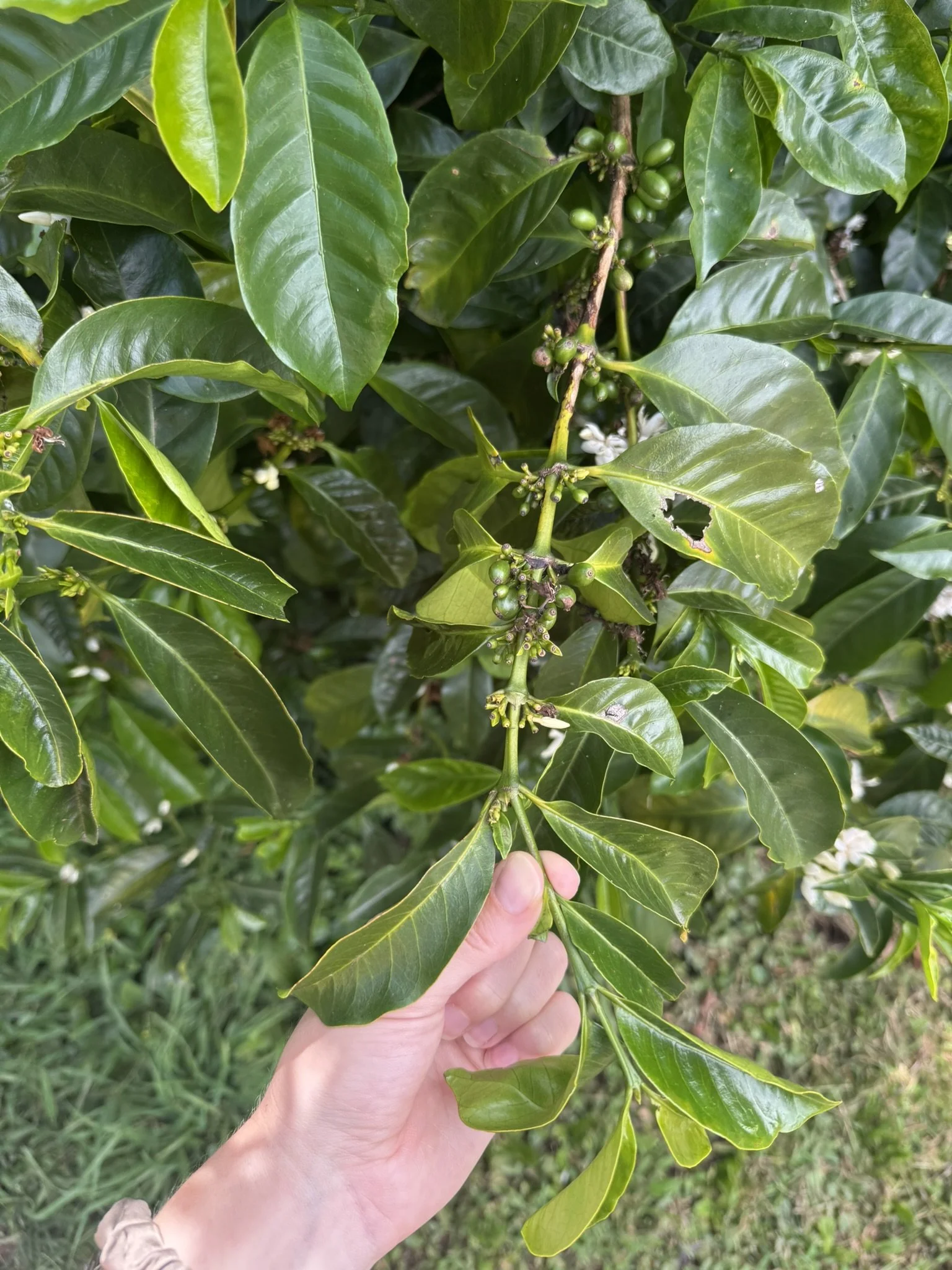
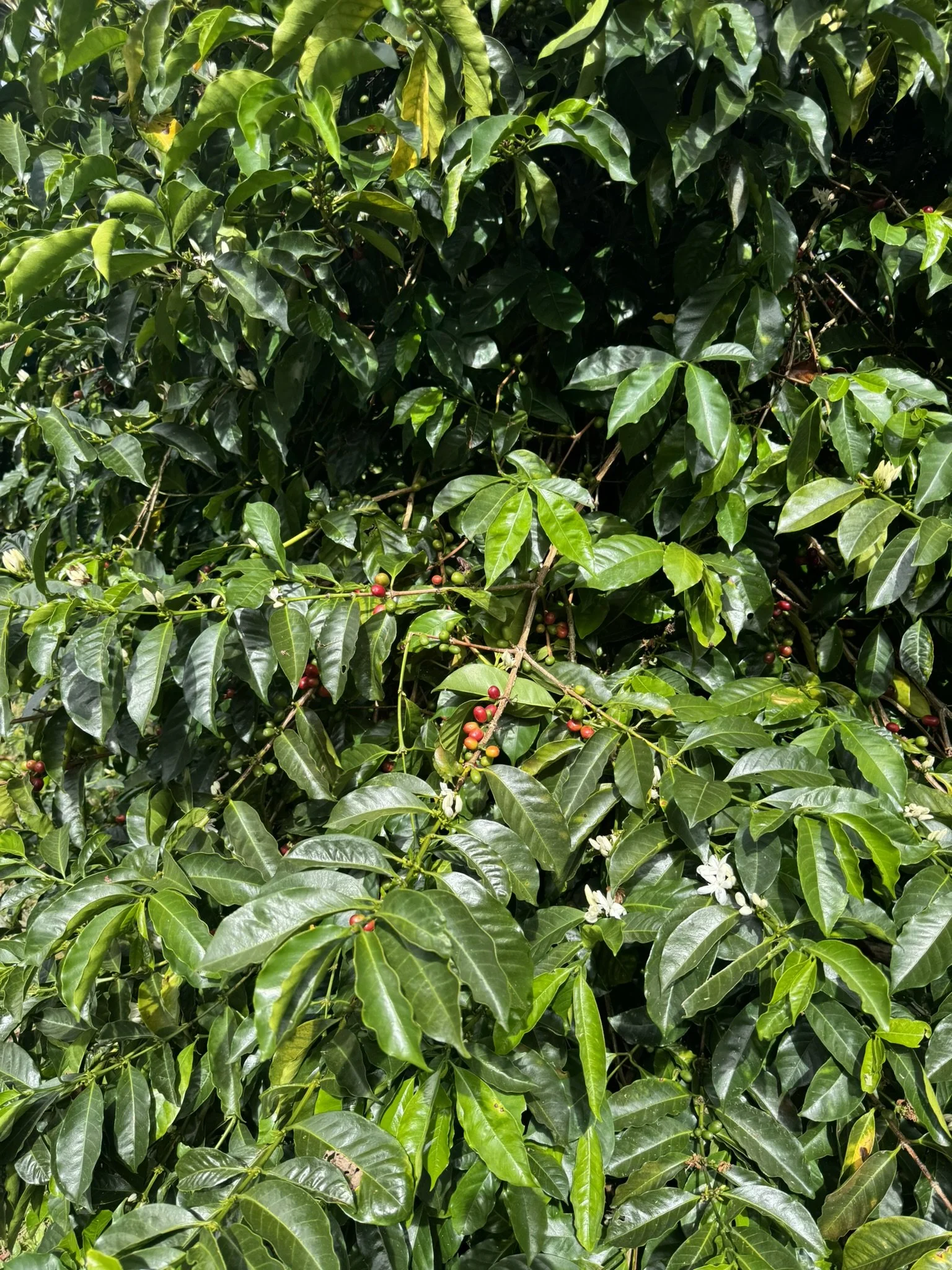
My flowers give way to green berry-like fruits that mature to yellow and then red. Inside these fruits are two seeds (the famous coffee bean!)
My mature bark has a fissured texture.
How big do I grow?: 6’ - 15’ height and 6’ - 15’ spread.
Sun-seeker or shade-lover: Part shade.
Where I prefer to put my roots: Rich, well-drained soils with consistent moisture.
Hardiness: Zone 10-12
Original home: I am native to tropical Africa.
Colors: I have white flowers and bright red berries.
When I bloom: Late spring to mid-summer.
Wildlife friends: Pollinators visit my flowers (and are essential to the coffee-production process!) Birds, bats, and monkeys enjoy my fruit.
Flora Fun Facts: My berries are harvested when they turn a deep red color. The berries are edible, with a sweet, pulpy flavor, and the interior seed is naturally caffeinated (coffee!).
More Info: This stately plant is beloved around the world for the seeds within its fruit, but it is also a beautiful plant! Small, white flowers produce a jasmine-like fragrance and large, glossy leaves provide a unique and tropical texture.
A member of the Rubiaceae family.
This is the plant responsible for about 70% of global coffee production. Brazil, Colombia, and Ethiopia produce the most arabica coffee in the world. Colombia, Mexico, Peru, India, and Ethiopia lead the charge for shade-grown coffee.
This plant typically takes 3-4 years to first flower, and can live up to 100 years.
A typical coffee plant produces 5-10 lbs. of fruit (often called coffee cherries) every year, which translates to about 1-2 lbs. of roasted coffee beans.
Coffee is commercially grown in subtropical and tropical areas throughout the world.
Coffee grown in a shadier environment helps to mimic the plant’s natural habitat and support the local ecosystem by maintaining forest canopy. Sun-grown coffee plants require more inputs - more water, fertilizer, and pesticides.
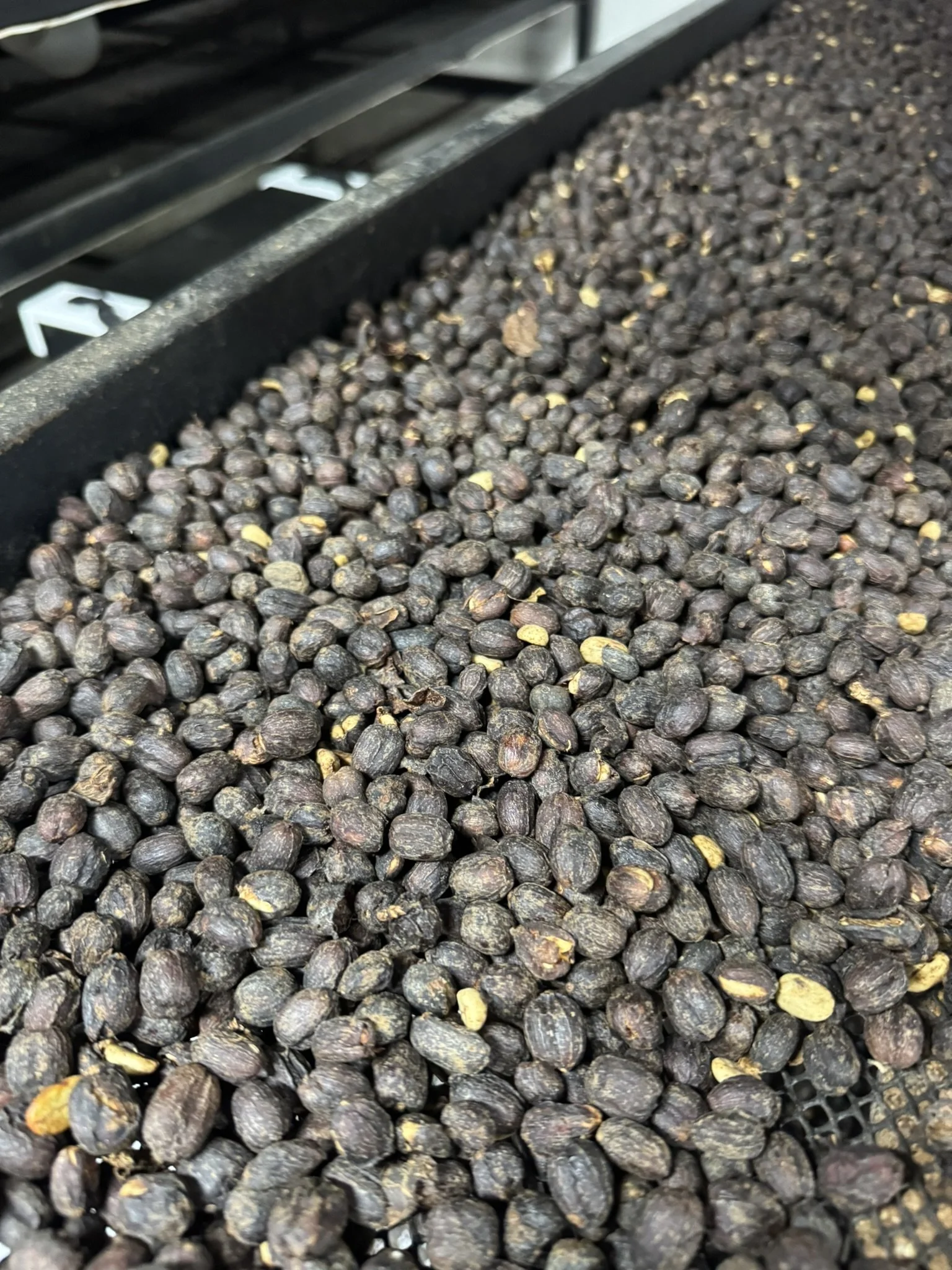
Some coffee farms allow the berries to dry to a brown husk texture, and then remove the seed. Other farms “depulp” the seed from the berry, and then dry the bean before roasting.
Providing shade for coffee plants also allows for the fruit to mature more slowly, which gives the coffee beans more complex flavor profiles.
The name “Coffea” comes from the Arabic word for beverage.
Coffee can be grown as a houseplant with well-draining soil, bright light, and high humidity. It benefits from fertilization during the growing season.
You can have flowers and fruit on the same branch of a coffee plant.