Meet the Daylily
Daylily | Hemerocallis spp.
How do you know it’s me?:
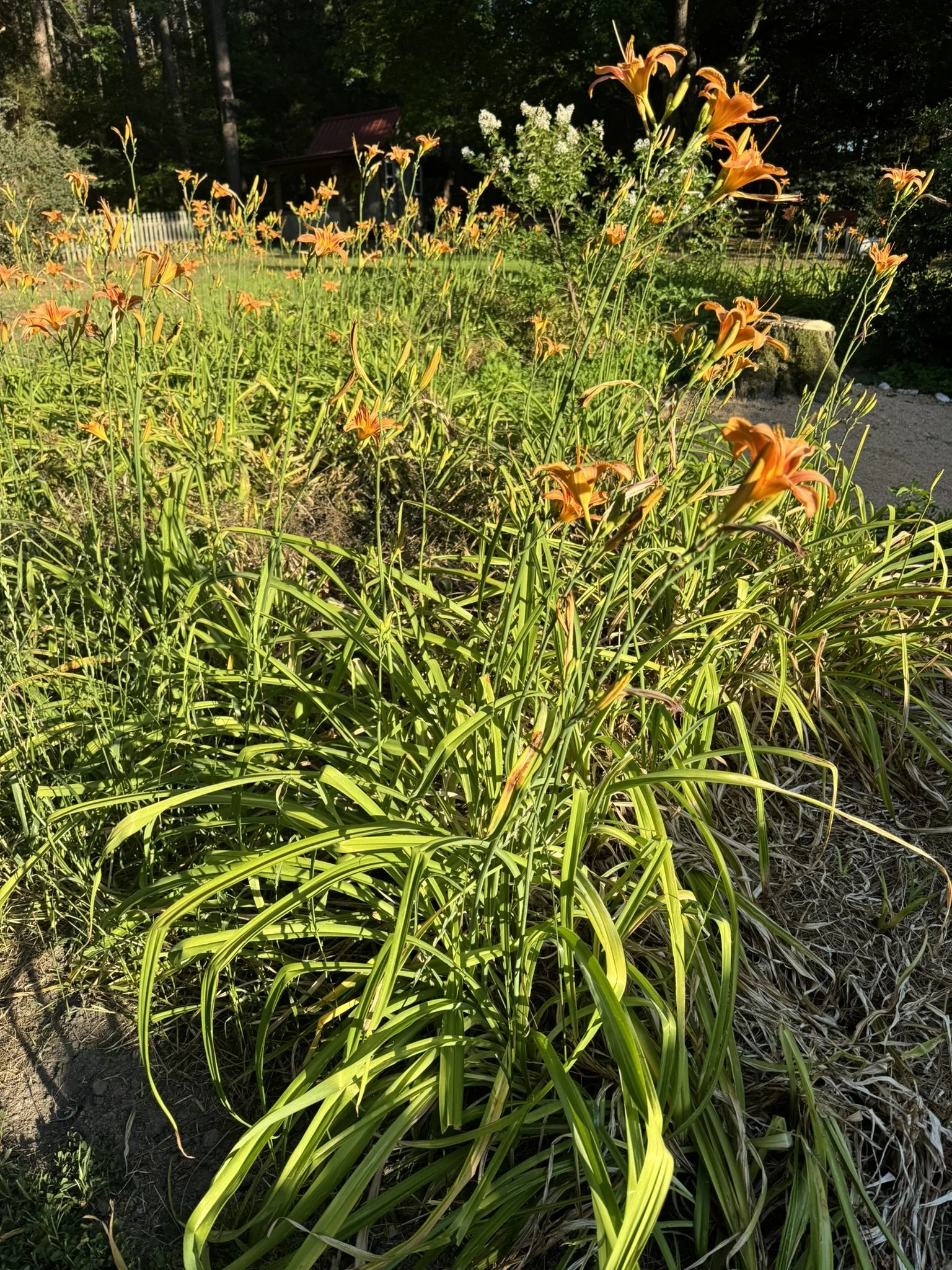
I am an upright herbaceous perennial that grows in clumps.
I have thick, tuberous roots that help me handle periods of drought.
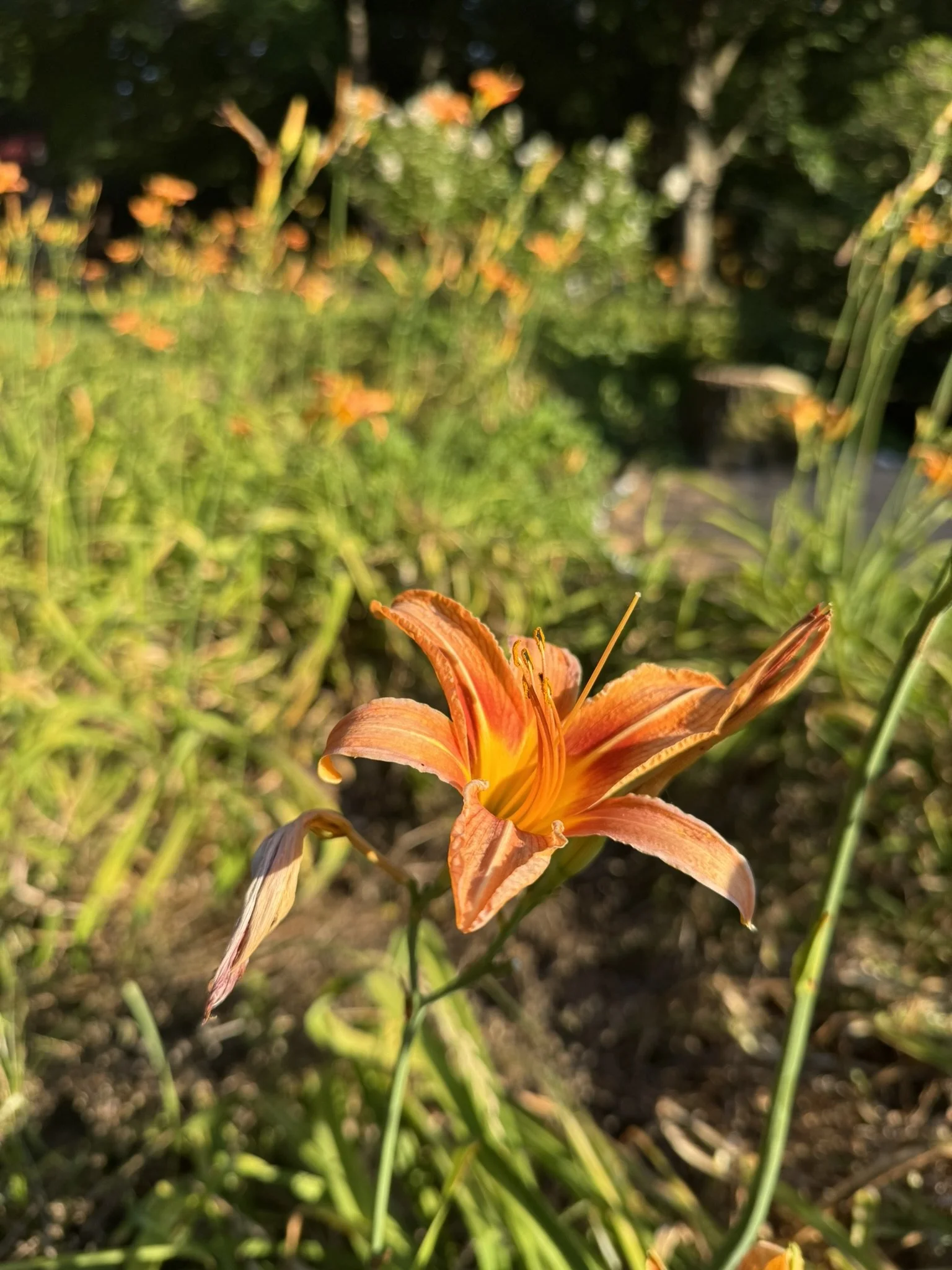
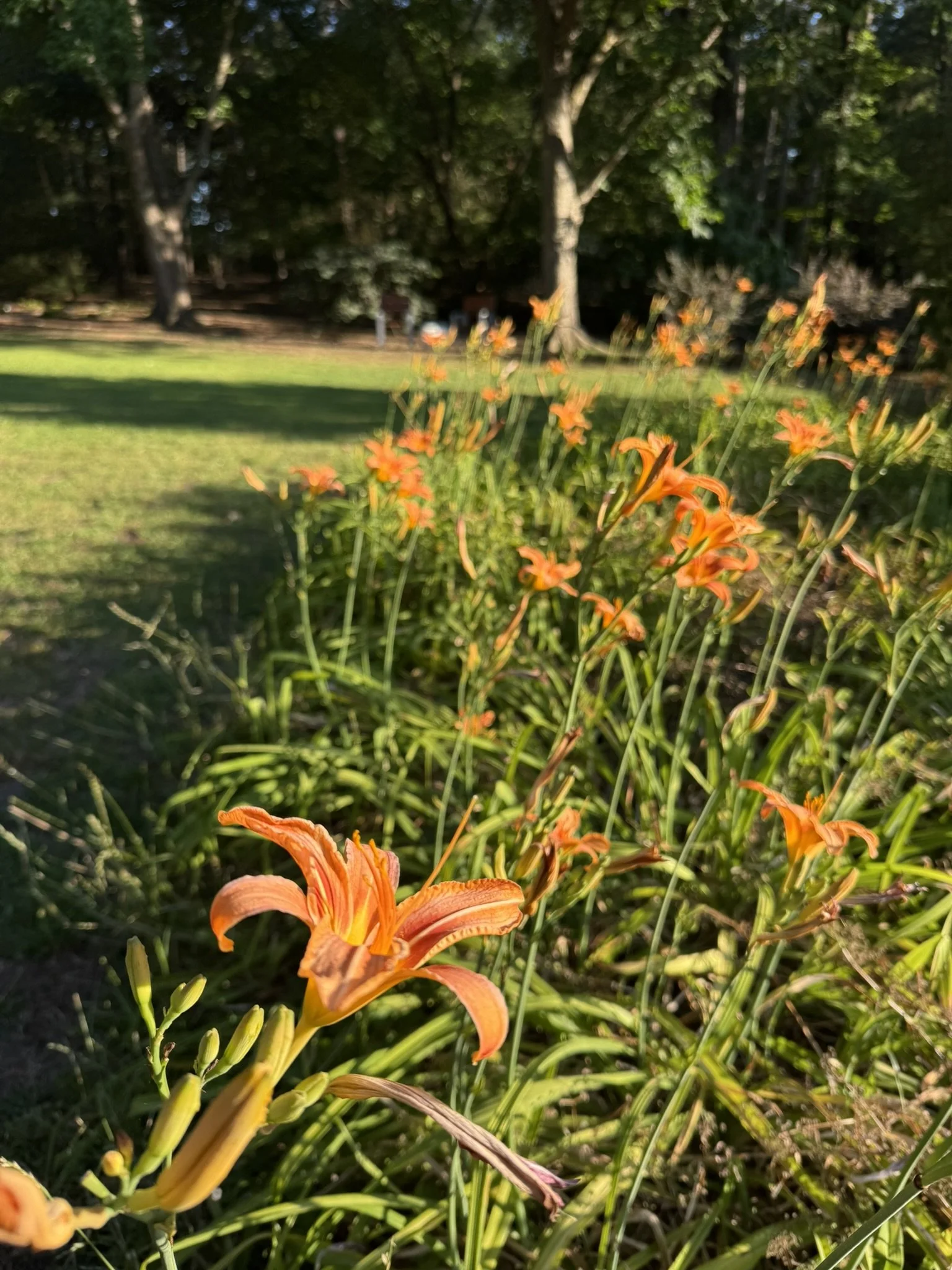
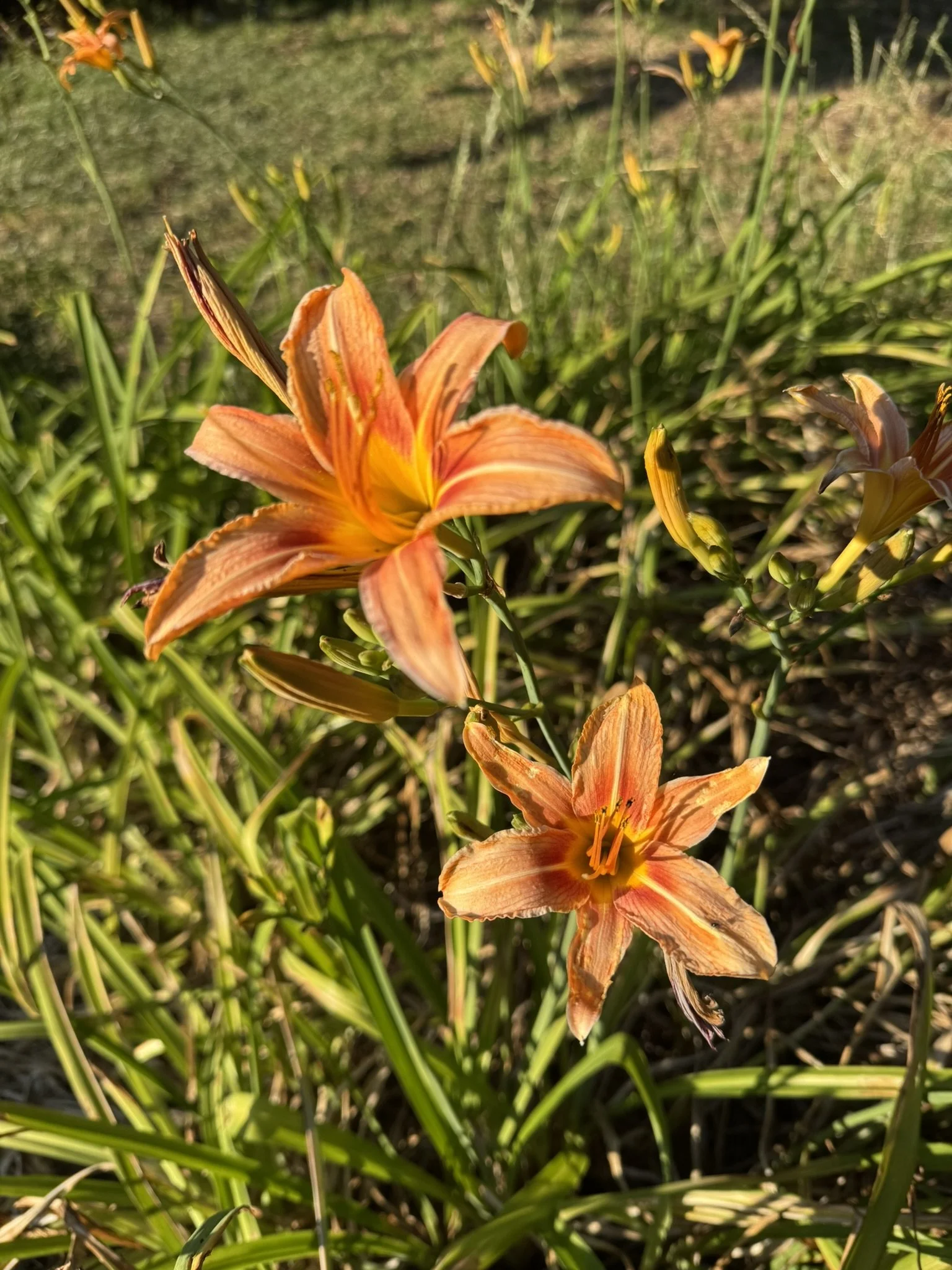
I have loosely trumpet-shaped flowers, sometimes with very elongated or ornate petals.
My flowers grow atop long upright stems. There are typically 6 petals on each flower, and the pistil/stamen are very defined.
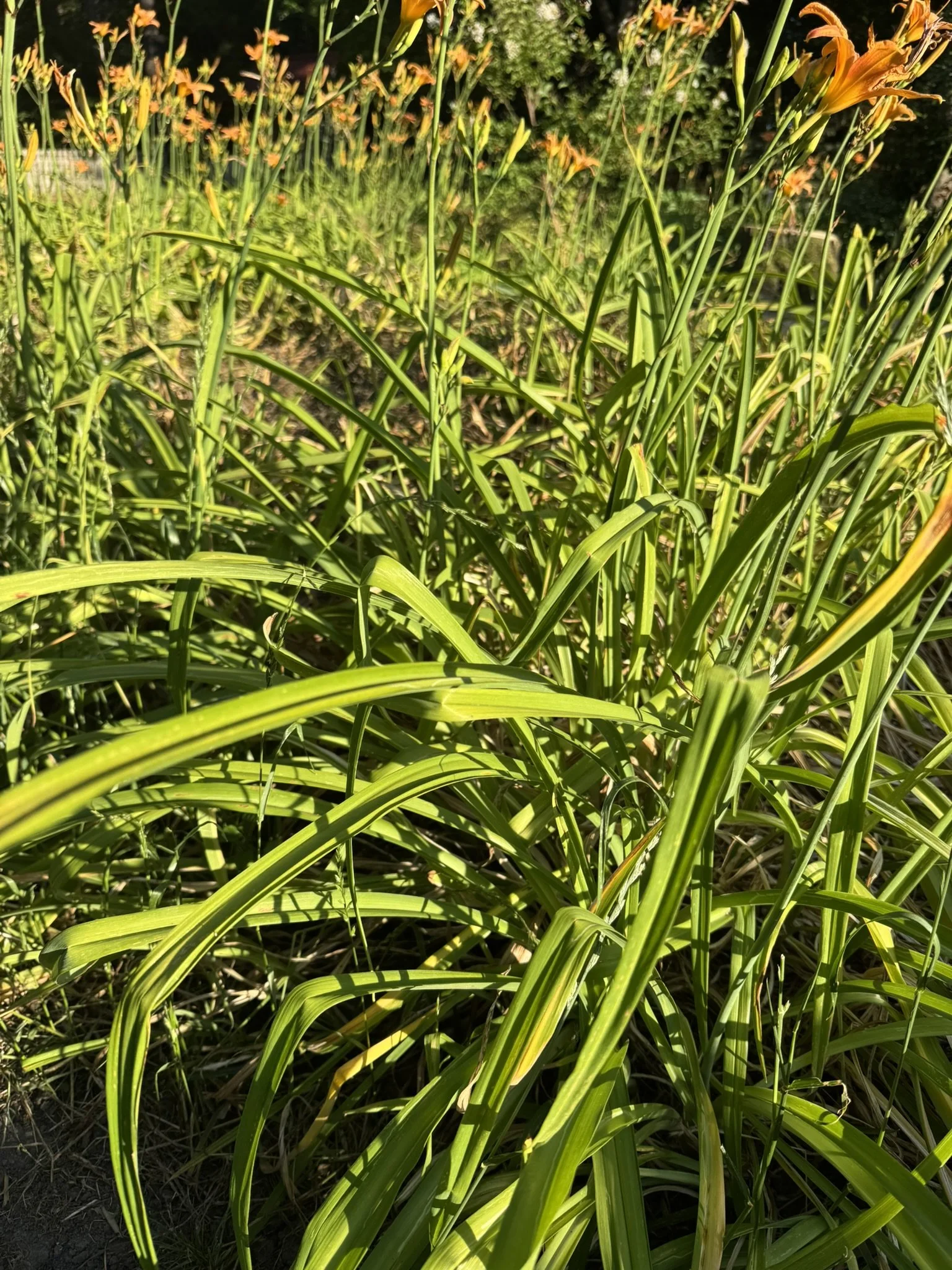
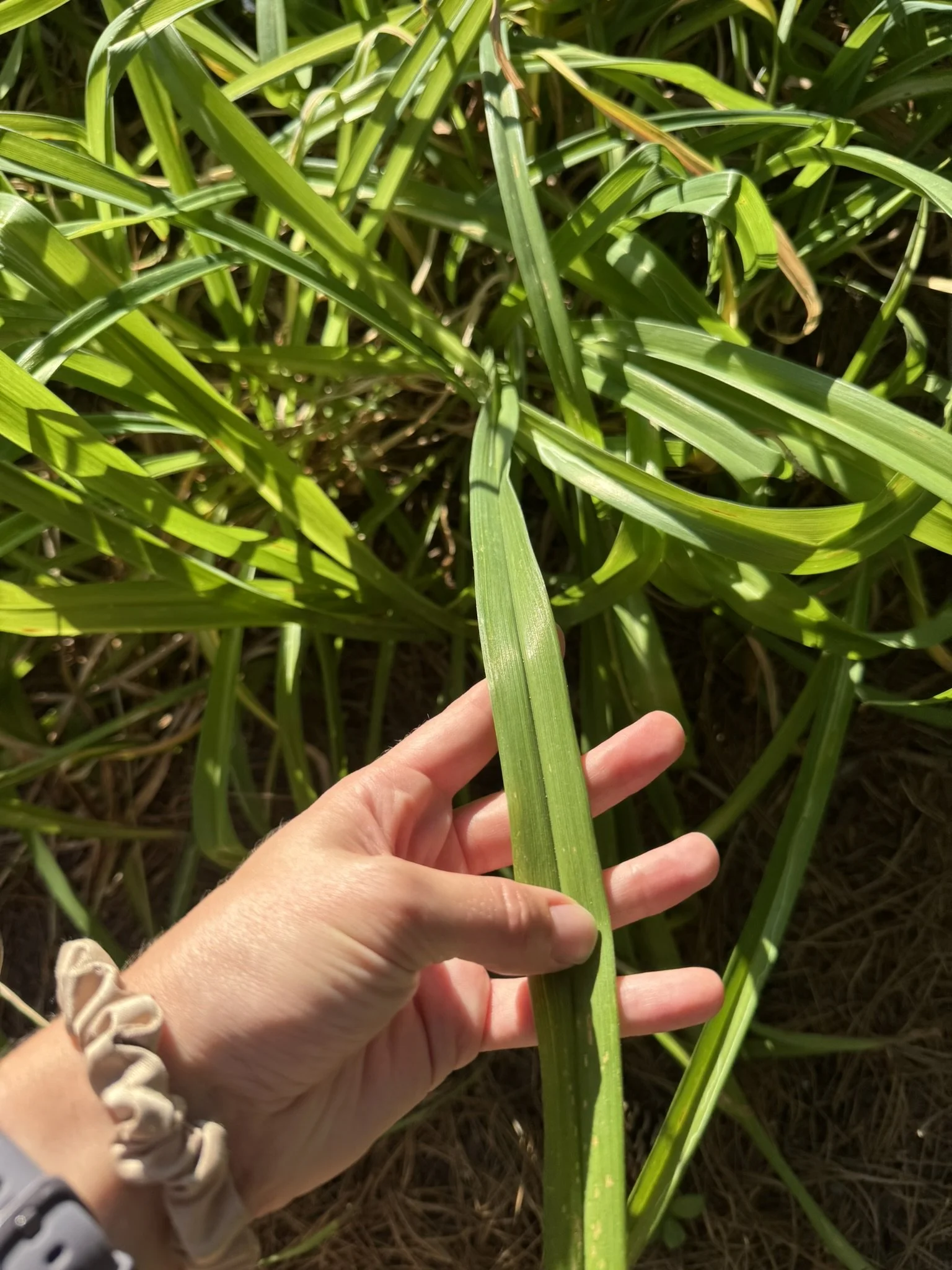
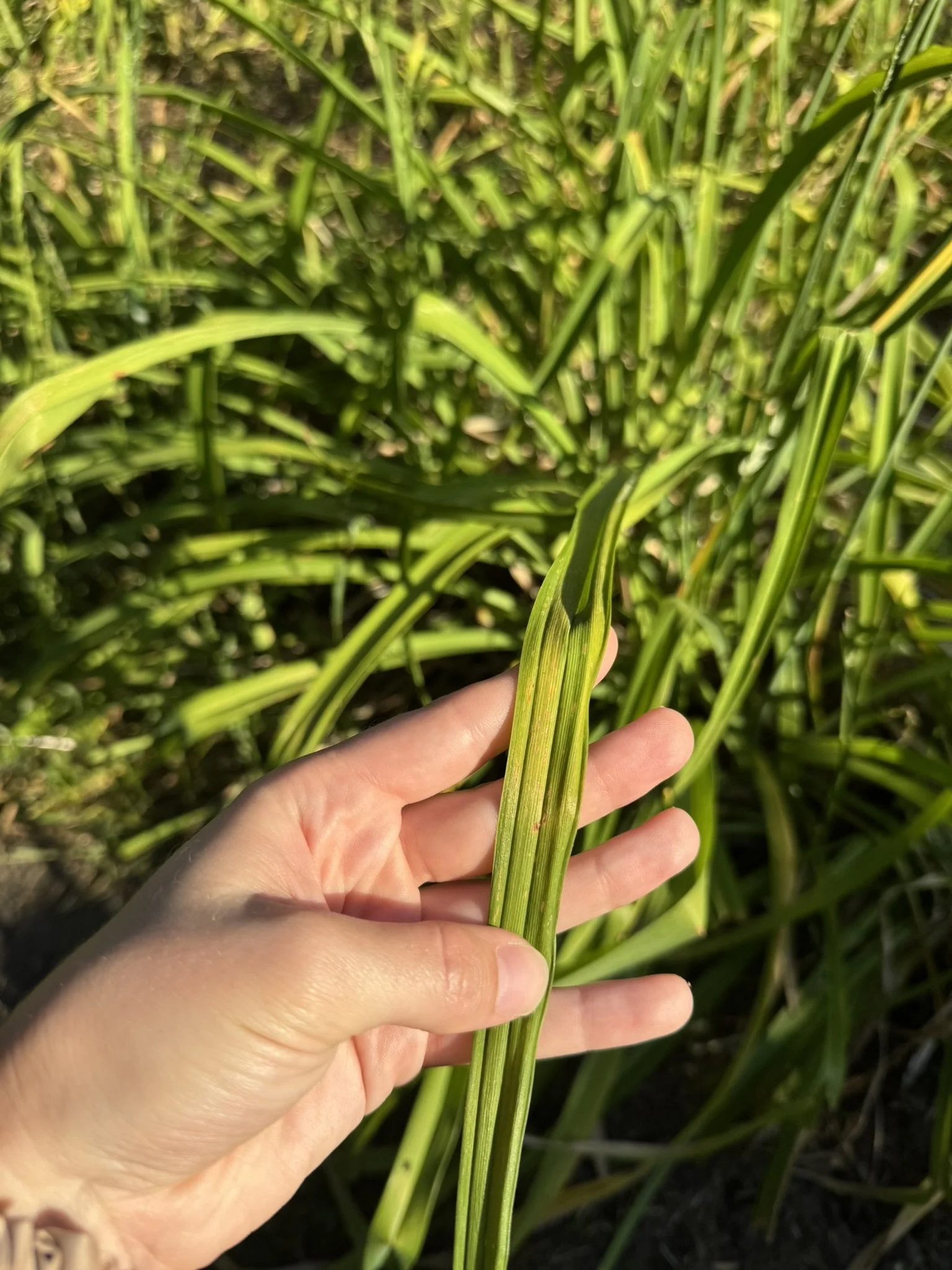
My leaves are long and linear, sometimes with an arching form.
How big do I grow?: 1’ - 3’ height and spread.
Sun-seeker or shade-lover: Full sun to part shade. Best flowering in full sun.
Where I prefer to put my roots: Well-drained, organic soils. I can handle occasional drought and am adaptable to many soil types.
Hardiness: Zone 3-9
Original home: I am native to Asia and Central Europe.
Colors: There are numerous flower and color options: yellow, red, orange, pink, purple, white, or multicolored.
When I bloom: Spring and summer. Some cultivars are bred for longer bloom times.
Wildlife friends: Butterflies and birds may visit my blooms.
Flora Fun Facts: I am not technically a true lily, and belong to an entirely different plant family.
More Info: These adaptable plants have been a garden staple for decades, loved for their bold and colorful flower display, and ability to thrive in tough conditions.
This plant can be INVASIVE: The hybrid options commonly found at garden centers are less likely to become invasive, but the wild types (like Hemerocallis fulva), spread rapidly. Select your varieties carefully and check your state or country’s invasive plant list before planting.
A member of the Asphodelaceae (Daylily) family.
There are many (many) different cultivars that provide compact (ex. ‘Pardon Me’) vs. tall options, longer bloom periods (ex. ‘Stella d’Oro’), larger bloom size (ex. ‘Ruby Spider’), and heat resistance (ex. ‘Alabama Jubilee’).
The name Hemerocallis refers to the short-lived nature of the blooms (typically only a day).
Daylilies grow from root tubers and spread easily.
A salt-tolerant plant, but often enjoyed by deer.
Flowers and buds are often used in Chinese cooking. They are typically sold as dehydrated, and can go by the names “Golden Needles,” or “Lily Buds.”